
Edinburgh has shown how to save historic buildings, now let’s invest beyond the city centre - Donald Anderson
The recent publicity surrounding a new list of Scotland’s historic buildings at risk has rightly shone a spotlight on some remarkable places that urgently need investment.
The campaign, led by the heritage charity SAVE Britain’s Heritage rather than Historic Environment Scotland, highlighted neglected buildings across the country and reignited an important debate about how Scotland protects its built heritage.

What struck me most, however, was not what was on the list but what wasn’t. None of the Edinburgh buildings highlighted are within the city’s World Heritage Sites. That is no coincidence. It reflects a remarkable Edinburgh success story that receives almost no attention.
When Historic Environment Scotland paused its Buildings at Risk Register in 2024 to consider a new approach, almost none of the 4500 listed buildings within Edinburgh’s World Heritage Site were on the list.
Over recent decades, all the Capital’s most important endangered buildings have been restored, found new uses or secured viable futures through sustained public and private investment.
That didn’t happen by chance. It happened because the council, conservation groups like The Cockburn Association and private investors recognised that conserving heritage is also an investment in the city’s economy and quality of life.
Two of the most problematic conservation projects have recently secured funding too.
For 60 years, the former Royal High School stood as a symbol of missed opportunities and endless debate. As council leader I had two failed attempts to repurpose this important building, first as a potential home for the Scottish Parliament (sadly Donald Dewar said no) and as a potential Museum of Photography (sadly Jack McConnell said no).
Today, funding is in place to transform the building into Scotland’s National Centre for Music, ensuring one of the country’s finest public buildings will at last, once again become a vibrant part of city life.
The Tron Kirk tells a similar story. Once one of Edinburgh’s most prominent buildings at risk, it too now has the funding needed to complete its restoration thanks to the new Visitor Levy.
Those are genuine conservation successes. But success in the city centre should not mean the job is finished. If anything, this latest campaign underlines where attention now needs to be focused, which is outside Edinburgh’s historic core.
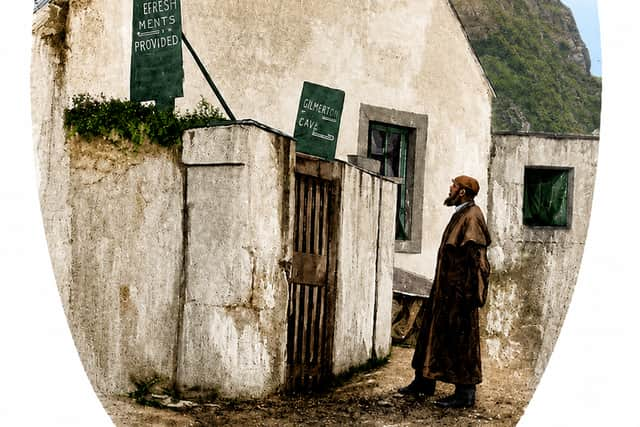
Gilmerton Cove is a perfect example. Hidden beneath the streets of south Edinburgh, it is one of Scotland’s most intriguing historic sites. Its origins continue to fascinate archaeologists and visitors alike, yet its long-term future requires sustained investment.
Buildings like Gilmerton Cove are every bit as important to Edinburgh’s story as the grand Georgian terraces of the New Town or the medieval closes of the Old Town.
They connect communities with their history, create local pride and have enormous potential to support tourism beyond the city centre and regeneration in neighbourhoods that often receive far less attention.
The lesson from Edinburgh’s World Heritage Sites is clear. Investment works. A future buildings-at-risk strategy should not simply identify buildings in decline, it should actively help communities unlock funding, attract partners and develop sustainable new uses for historic buildings.
Edinburgh has demonstrated what can be achieved when heritage is treated as an opportunity rather than a liability. Saving Scotland’s heritage shouldn’t stop at the World Heritage Site, it should extend to every community with a story worth preserving.