
Labour should follow German plan for economic investment - Angus Robertson
The comparison could not be more striking. While the UK under Labour faces cuts and austerity, Germany has given the green light to unprecedented investment in public service infrastructure and defence.
Under Keir Starmer, with the support of Scottish Labour leader Anas Sarwar, the UK Labour government has already decided to target the disabled and sick and cut overseas development aid. Now the Westminster Spring Budget Statement is prioritising more deep, painful and damaging cuts.
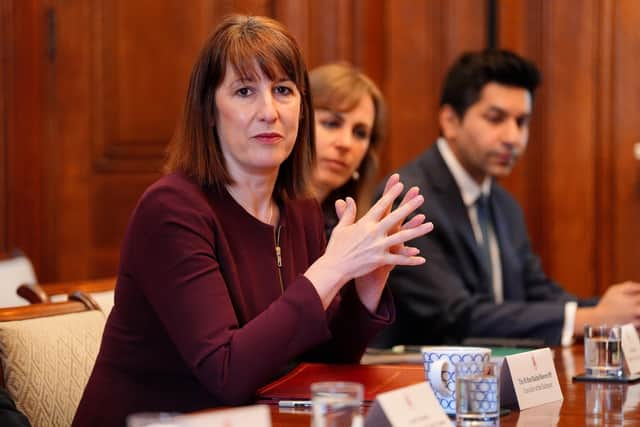

For some time the UK has faced a black hole in the public finances of around £20 billion and the Chancellor of the Exchequer is hemmed in by her own financial rules, borrowing which is higher than expected and growth which is disappointingly low.
Rachel Reeves has two main rules on borrowing: Not to borrow to fund day-to-day public spending and to get debt falling as a share of national income by the end of this parliament. Time after time she has repeatedly said her rules are “non-negotiable”. She has boxed herself in and is not prepared to think outside the box, like Germany.
For years, Germany has had a cast iron “debt brake”, accompanied by under-investment in the country’s key infrastructure and in defence and security. With confidence in the transatlantic alliance shaken to its core, German politicians of both mainstream right and left have concluded that the biggest change in post-war public finance is necessary.
Within weeks of a general election, the Christian Democrats, Christian Social Union, Social Democrats and Greens have supported constitutional changes that will unlock 1 trillion Euros, yes that is ONE TRILLION EUROS - an absolutely unprecedented boost to the German economy and is being compared to the Marshall Plan which rebuilt the country after World War Two.
Changes agreed to the German Basic Law, will allow for €500bn in debt to be raised over the next 12 years for investment in infrastructure. €300bn of the total will be allocated by the federal government, €100bn by the federal states (Länder) and €100bn for climate protection. The draft bill also makes a commitment to "additional investments to achieve climate neutrality by 2045.”
Meanwhile, German defence spending above 1 per cent of gross domestic product will be effectively exempt from the country's debt brake - it will allow for a massive boost to German and European defence and security.
None of this would have been possible without the support of the German länder which had to give the green light to the constitutional and budget changes. Representatives from the 16 federal states had the power to pass or to block the proposals in the Federal Council. German federalism guarantees really significant powers from the city states of Bremen, Hamburg and Berlin to larger länder like Bavaria, North Rhine Westfalia and Baden Württemberg. The powers underline how comparatively weak devolution is in the UK.
Over the next years living standards for all families are set to fall in the UK, with those on the lowest incomes falling twice as fast as families with middle and high earnings. If this occurs Prime Minister Keir Starmer will have led the first UK government since 1955 to have presided over a fall in living standards over a full parliament and failed in his number one pledge to make working people better off. In contrast, Germany will be investing in public service infrastructure and defence as never before.