
We must make arts careers more accessible - Foysol Choudhury
August is over and another year of Edinburgh's world-leading cultural and arts festivals is behind us.
The key takeaway from this year’s festivals was clear: that we must save them before it is too late. A lack of sustained funding from the Scottish Government, coupled with closure of funds such as Creative Scotland's Open Fund for individuals, means the sector and all its cultural and economic benefits for Scotland is on a precarious knife edge. Many of this year's events were concluded with creators pleading "There's no art without artists".

The more expensive it becomes to produce films, shows, music and other creative outputs, the less accessible it becomes. As a result, we'll start to see a cultural sector which is no longer diverse, dynamic and vibrant, but reserved as a playground for the wealthy. We cannot allow this to happen, we must ensure we sustain a cultural sector which can be a workplace for, and represent, all the diverse voices which exist in Scotland.
All children, regardless of their background, should get to experience the arts, culture, sport and creative activities. It not only helps their personal development, but it also provides more avenues into a creative sector which is worth nearly £4.5 billion and supports 80,000 jobs.
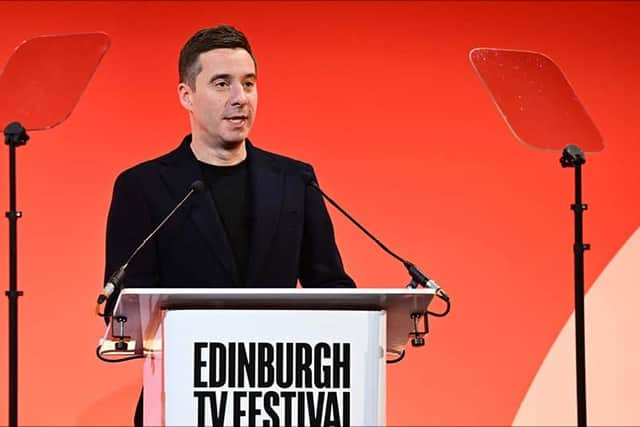
We could grow this even more through developing clearer career paths and channelling investment into Scottish creative sectors, to benefit Scottish communities and grow Brand Scotland globally. I’ve recently called for this in my motion at the Scottish Parliament on Edinburgh TV Festival.
This year, the festival’s MacTaggart Memorial Lecture raised the issue of working-class representation in the television industry, highlighting that only 8 per cent of people in the television industry are from working class backgrounds-well under the 46-49 per cent of British people who identify as working class.
To tackle this under-representation, I welcomed the news that the TV Foundation, the charitable arm of Edinburgh TV Festival, has created an Impact Unit to improve representation of class and social mobility in the TV industry.
However, we must see an increased focus on initiatives like this, to ensure that there are clear training and education pathways for working class students to enter the arts and culture sector. Only by providing more opportunities for all in the sector can we ensure that Scotland's cultural scene remains diverse, inclusive and representative, and provides jobs in Scotland to bolster economic and creative opportunities for all.