
We should spend to prevent big problems, not just fix them later - Lorna Slater
There is a simple idea at the heart of preventative spending: it is better to stop problems becoming crises than to spend far more dealing with the consequences.
Yet, when it comes to funding public services, Scotland has struggled to put that common sense into practice.

That was the challenge I raised in the Scottish Parliament last week, during a debate on the Scottish Government’s plans for prevention and preventative budgeting.
The Government’s Public Service Reform Strategy, its new Prevention Unit and plans for a Prevention Investment Framework are welcome. But they will matter only if money and priorities change.
The Scottish Greens have argued for this shift for many years. Our 2011 manifesto called for “a healthy society, not just one that picks up the pieces”. More than a decade later, that ambition remains unfinished.
We need to be clear about what prevention means. It is not simply any spending that might save money later. It means acting early to reduce the chances of people becoming ill, falling into poverty, losing their home or reaching the point where they need emergency support.
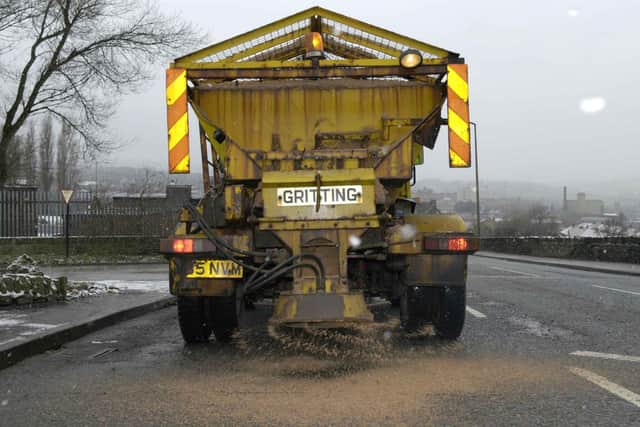
Sometimes the examples are ordinary. At a recent parliamentary committee, we heard how spending a little more on gritting pavements during icy weather can prevent falls and broken bones. That means fewer people needing hospital treatment, and fewer knock-on pressures for families and employers.
But the council pays for the gritting, while the NHS benefits from fewer injuries. Our system separates those budgets, so the organisation making the preventative investment does not necessarily see the financial return.
The same problem arises when councils invest in early-years support, homelessness prevention or community services. The savings often appear elsewhere, while councils are left balancing their own budgets. That is why local government must be at the centre of budget and structural reforms.
Councils need reliable, multi-year funding and the freedom to plan around their communities’ needs. We cannot expect them to invest for the long term while forcing them to manage from one annual settlement to the next, while short-term crisis costs crowd out longer-term planning.
Prevention must also mean tackling the causes of poor health and inequality. Earlier screening and diagnosis can save lives. Support for families, affordable childcare, warm homes and secure housing can stop difficulties escalating. And our health is inseparable from the health of the places we live.
Clean air, accessible green spaces, safe streets, active travel and affordable public transport are not luxuries. They help people stay well, connected and active.
As the climate crisis intensifies, investment in nature restoration, flood prevention and community resilience is preventative spending too. Stronger local places are better able to withstand the shocks ahead.
None of this can be delivered on good intentions alone. Prevention costs money upfront, and crisis services cannot simply be stripped of funding in the hope that savings will appear years down the line. That means fairer taxes on wealth, polluters and large landowners, and replacing Council Tax with a system that fairly funds local services.
The test of this debate is not whether politicians agree that prevention is a good idea. It is whether the Scottish Government is prepared to fund it, whether councils are equipped to deliver it, and whether we finally build public services around preventing harm rather than repeatedly picking up the pieces.