
‘Pivotal moment’ for Princes Street as heritage rescue plan published
Document offers guide for future development of Edinburgh’s premier street
A new plan to guide future development of Princes Street by emphasising its heritage has been published at a “pivotal moment” for Edinburgh's premier street, according to its authors.
The new Statement of Heritage Significance was launched at a breakfast seminar at The Balmoral Hotel, attended by senior figures from the city council, Edinburgh World Heritage, Essential Edinburgh, Historic Environment Scotland, National Galleries of Scotland and leading architects.
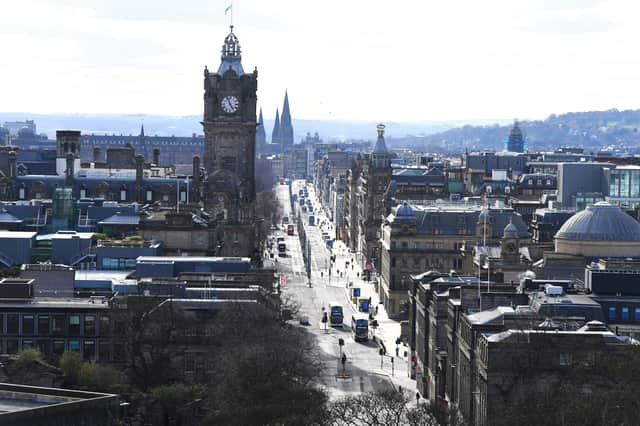

The document includes a block-by-block assessment of the risks, vulnerabilities and opportunities facing the street and the surrounding area.
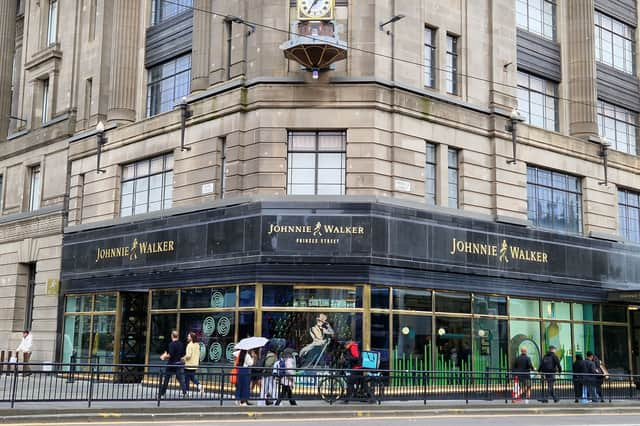
The‘Princes Street and the Waverley Valley Statement of Heritage Significance’ highlights successful examples of reuse, such as the Johnnie Walker Experience and Uniqlo.
It also includes a "cultural heritage baseline" for new proposals across the area, including plans for Waverley Station and West Princes Street Gardens, with potential changes to the Ross Bandstand and the listed shelters.
Iceni Projects, the consultants who wrote the statement, said it had been commissioned by the city council to help safeguard the historic heart of Scotland’s capital, while guiding the new vision for revitalising the area as it moves away from its traditional retail-only role.
"The Statement is designed to equip designers, decision makers and interested parties with a baseline understanding of the historic importance of the area, which lies at the heart of the World Heritage Site.
"The Statement of Heritage Significance arrives at a pivotal moment for Edinburgh's principal thoroughfare, which has suffered from major department store closures, including the former Jenners and Forsyth’s, the effects of the pandemic, and increased competition from the St James Quarter.
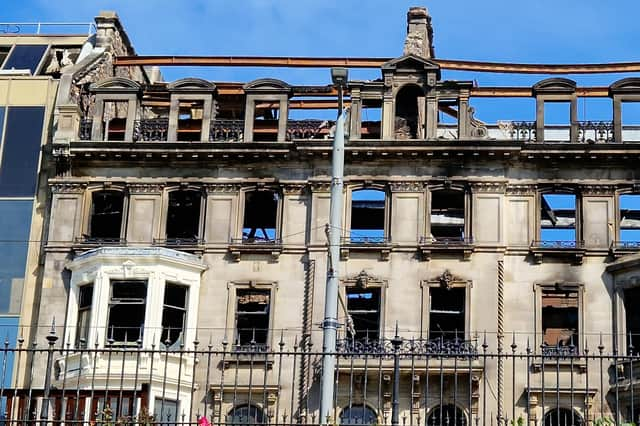
"These challenges have been further exacerbated by the ripple effects of the recent fire in the former Debenham’s building.
"Against this backdrop, there is a strong ambition for Princes Street and the Waverley Valley to thrive, providing a diverse mix of shops and services for residents and visitors, attracting investment, and supporting businesses, while responding to the challenges of climate change."
Esme Coppock-Somers, senior heritage consultant within Iceni Projects’ Scottish built heritage team, and principal author of the report, said: “The Statement of Heritage Significance highlights the exceptional quality of this remarkable area. Its significance is not a barrier to future change, but its unique position requires change to be managed sensitively, ensuring that Princes Street, its gardens and connecting areas can thrive economically and remain valued heritage assets enjoyed by residents and visitors for years to come.”
The document describes the conversion of the former House of Fraser store to Johnnie Walker Princes Street at 144–147 Princes Street as “a strong example of the sensitive reuse of a former department store, successfully utilising all levels of the building”.
Uniqlo is praised for restoring the modernist former BHS building at 64 Princes Street, retaining the commercial character of the purpose-built retail store.
At several locations along Princes Street, the document warns that the skyline and massing of buildings is “very vulnerable to inappropriate development which would adversely impact the integrity and authenticity of the World Heritage Site.”
And it says: “Unsatisfactory shopfronts present an opportunity for improvement, particularly where they are poorly designed, inappropriately styled, or badly maintained. There may also be opportunities to unify frontages, for example where a single landlord exists.”
The Statement says the planned reconfiguration of Waverley station by Network Rail is an opportunity to preserve and enhance its significance. “This could include sensitive improvements to the Booking Hall and increasing public access to the upper levels.”
And it adds: “There is an opportunity to re-imagine the roof terrace of Waverley Mall and its interaction with Princes Street. The former roof gardens in this location could serve as inspiration.”
On Princes Street Gardens, the Statement says: “The quality of the World Heritage Site experience is threatened by overcrowding during events in Princes Street Gardens and at Princes Street key junctions. Frequent commercial/ticketed events that require closing East or West Princes Street Gardens could limit public access and undermine the parks’ intangible heritage.
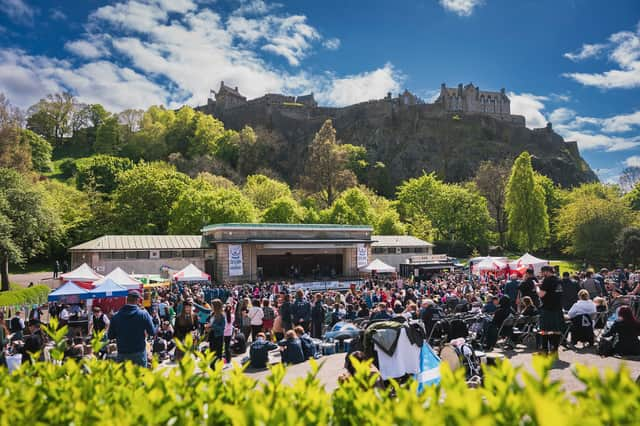
“There is an opportunity to enhance the Ross Bandstand facilities to support it continued use, and assess the layout of its seating. Any changes should be conservation-led and be of appropriate design and quality. The impact on views within and into the gardens should also be considered.
“There is an opportunity to sensitively refurbish the 1940s shelters to preserve the special interest and ensure their continued use.
“A planned and coordinated review of the bins and other items, such as kiosks and seating, could help avoid an ad hoc arrangement and begin to support a consistent and appropriate ‘garden’ design approach.”
The document urges consideration of opportunities to reinstate examples of historic lamps. It also recommends the removal of fibreglass cladding on Waverley Bridge.
And it says: “If the opportunity arises to remove the tram columns from the centre of Princes Street, for example if the tram system is upgraded, this should be taken to restore key views along its length.”
Nick Walker, director of built heritage and townscape Scotland at Iceni Projects, said: “Everyone has a view on Princes Street. It is one of the first places people think of when they think about Edinburgh, but it is also a street that has adapted over time to significant changes in how we shop and how we spend our time.
“The Statement provides a baseline assessment of the area’s architectural history, listed assets, key views, and overall contribution to the World Heritage Site. It is positioned as an essential tool for anyone undertaking any works to its buildings, streets, or gardens. With 77 listed buildings across the study area, and lying at the heart of the World Heritage Site, the Statement underlines the importance of balancing regeneration with protecting the city’s unique historic character.”