
Why choice and dignity matter as life nears its end - Lorna Slater
As the Assisted Dying for Terminally Ill Adults Bill makes its way through the Scottish Parliament, we are being asked to confront one of the most profound and sensitive questions any society can face.
Do we trust people, alongside their families and medical professionals, to make decisions about how their life ends when faced with terminal illness and unbearable suffering?

This bill would allow terminally ill adults to request medical assistance to end their life, provided they meet strict eligibility criteria and multiple safeguards.
It has already passed its first parliamentary vote, marking a significant moment in Scotland’s consideration of end of life choice and dignity.
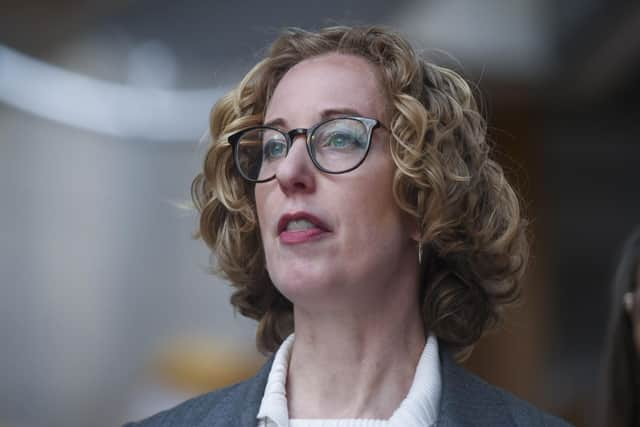
My support for this legislation is not abstract or theoretical. It is deeply personal. At the end of 2025, my father Andrew chose to use medically assisted dying in Canada, where such care has been legal for over a decade.
Last week, I spoke publicly about his decision on camera with STV. I did so because I believe lived experience must be part of this debate, even when it is painful to share.
My father had suffered a devastating stroke that left him bedridden and in constant distress. Despite this, he remained mentally clear and steadfast in his wishes. He wanted control over his final days and the ability to say goodbye on his own terms.
Surrounded by family, he died peacefully. It was an experience marked by love, calm and dignity, and one that demonstrated what compassionate end of life care can look like.
I recognise that assisted dying raises complex ethical questions. We all want to protect vulnerable individuals and ensure high quality palliative care is readily available.
Excellent palliative care is something that everyone deserves, and when it is offered alongside the legal right to assisted dying, it ensures that each individual has a real choice.
Even the most perfect care cannot eliminate all suffering and cannot remove the fear of loss of capacity. We must all have the right to choose.
This bill is about respecting individual choice and bodily autonomy. This bill is about allowing people to escape suffering while building in strong safeguards to ensure decisions are voluntary, informed and free from pressure.
As the bill progresses, the debate will be emotional and challenging.
All of us in Parliament will listen carefully to those with lived experience, we will approach this issue with compassion and will consider whether our laws truly reflect the values of dignity, respect and humanity that Scotland prides itself on.
We know that the Scottish public strongly support this bill, and it is our job as legislators to carry this forward.