
Iran war: What Keir Starmer can learn from two former Labour prime ministers
Keir Starmer has been under fire from both right and left over his stance the war on Iran launched by America and Israel on February 28.
Tory leader Kemi Badenoch, Reform UK and some retired army top brass say the UK should have been involved from the start and allowed the US to use British bases for the initial attacks. Zarah Sultana of Your Party criticises him for now letting American planes use the bases for “defensive” missions.
But there is a logic to Sir Keir's position. As he said at Prime Minister's Question Time, he was not prepared for the UK to join a war with no lawful basis and no viable, thought-through plan.
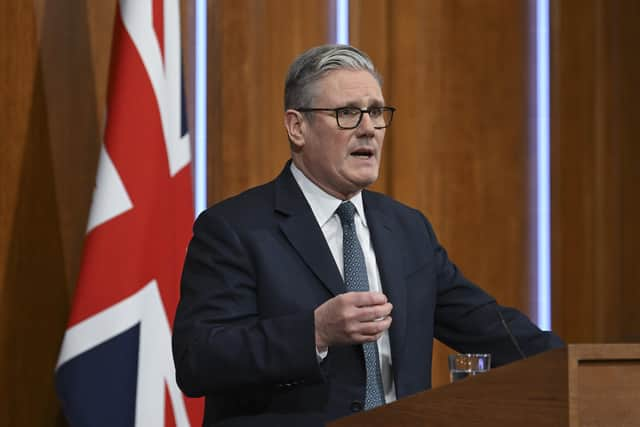

However, when Iran's "reckless"response was to start bombing throughout the region, British lives were at risk and he agreed US planes could use UK bases to take out Iran’s capability to strike.
Of course, that's not enough for Donald Trump, who said Sir Keir was "not Winston Churchill" and responded to news of potential deployment of two UK aircraft carriers with a social media attack: "That's OK, Prime Minister Starmer, we don't need them any longer - but we will remember. We don't need people that join wars after we've already won."
The world has got used to the US president throwing around insults. It is potentially damaging - but his erratic behaviour means he could change his tune at any moment.
Meanwhile former UK Labour prime minister Tony Blair appears not to have learned from his own mistakes over Iraq. Comments from a private meeting reported at the weekend show he still believes in unquestioning support for the US.
He argued the UK "should have backed America from the very beginning". And he said: "It's not a question of whether it's this president, that president, if they're your ally and they're an indispensable cornerstone of your security, you better show up."
But the example of another former Labour PM offers a different approach to balancing opposing pressures in a conflict.
In the 1960s Harold Wilson was attacked by left-wing critics for not condemning America's war in Vietnam. But the protesters failed to recognise his significant achievement in successfully resisting US demands to send British troops to support the Americans in the conflict.
Not only did Wilson save the lives of British soldiers by his stance, he even tried several times to help bring about a negotiated settlement to the conflict.