


A new group is being launched to protect and improve one of Edinburgh’s most historic parks.
Inch Park, once part of the grounds of the 17th century Inch House, was an integral part of the design of Edinburgh’s first “garden city” – The Inch estate – just over 70 years ago. And when the Friends of Inch Park holds its first annual general meeting on Wednesday, September 27, at 7pm, at Inch House, the guest speaker will be Bill Cook, former councillor and author of the history of the estate.
Bill, whose family moved to The Inch from Greenside, behind the Playhouse, shortly before he was born, said when it was built around 1950 the estate – Edinburgh’s first “garden city” – was recognised as “transformational” for many of the residents who had come from the oppressive conditions of the slums and found themselves in new homes amid open spaces. “It derived directly from the post-war consensus and the initiatives people took during the war – they were planning during the war to build new houses when it was all over. The country was fighting to defeat Nazism and they were saying ‘We need to build a better world’.”
Here’s a look at the fascinating story of The Inch in 13 pictures.
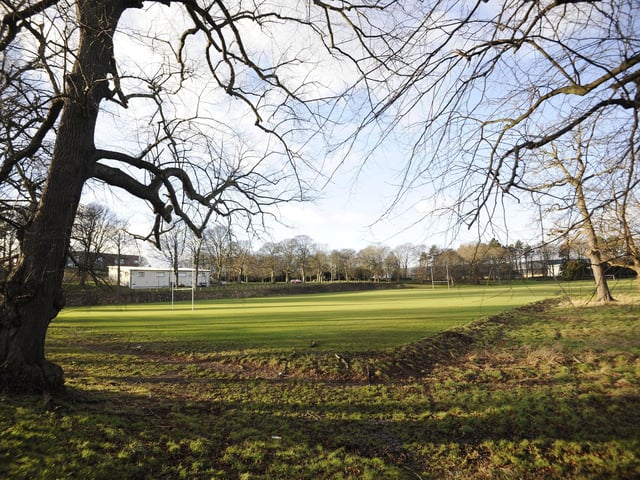
5. Inch Park integral to estate's character
Inch Park was integral to the design and character of The Inch. As well as cricket, football and rugby pitches, the park included a nine-hole pitch and putt course, bowling green and tennis courts. The council's plant nurseries were housed at first just in the walled garden, but then expanded into the park itself. In 2020, the community had to organise a campaign to halt plans to build up to 800 houses on the nursery land in the park. Now it is hoped the Friends of Inch Park group will help give local people a better say in the area's future. Ian Robertson, one of those behind the new Friends group, said: “It's been genuinely uplifting to see the enthusiasm of the people who have come together to create this new Friends group. Inch Park is one of the finest and most important green spaces in Edinburgh, and it is well used by people of all ages for leisure and sports activities. It's also one of the biggest, and when you include Inch Nursery, it's actually bigger than the Edinburgh Botanics and that takes a lot of looking after. Our aim is simply to help make it better, so that local residents and park users can enjoy it even more.” Photo: Greg Macvean
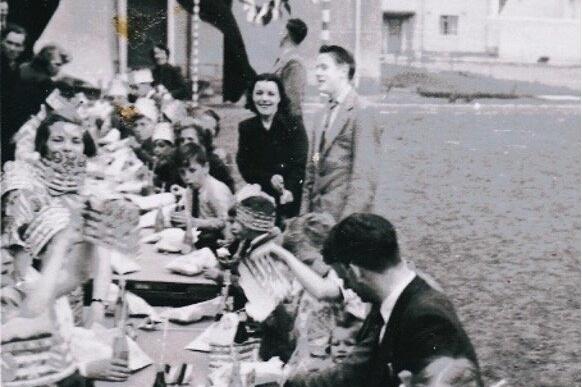
6. Partying to celebrate the coronation
Construction of the new houses at The Inch continued until 1953, so these first residents had probably moved in just in time for the celebrations to mark the Queen's coronation on June 2, 1953. There were street parties throughout the estate - this one is in Balderston Gardens - probably the first community events to take place in the new scheme. Photo: Bill Cook
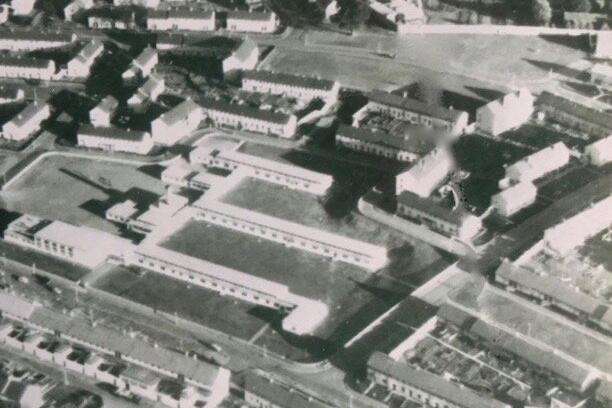
7. Changing face of new estate
This 1950s aerial view of The Inch shows Walter Scott Avenue and what was The Inch Secondary School, which in the late 1950s became an annex to Liberton Secondary School and was eventually demolished and replaced with more houses. Photo: Bill Cook
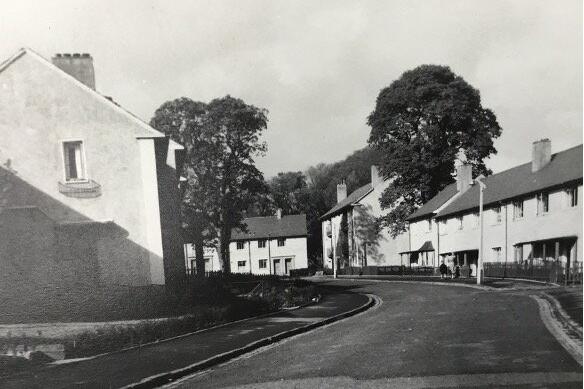
8. All designed with trees and views in mind
David Stratton Davis, the architect of The Inch, minimised the number of trees to be cut down for the estate and laid out the streets and houses around the remaining trees. It meant the estate featured not only new, young trees and hedges but also mature, fully-grown trees to give the place an established feel. He also designed the scheme specifically so that residents could enjoy the views towards the Braids, Arthur's Seat and the woods of Craigmillar from their living room windows. Photo: Bill Cook