
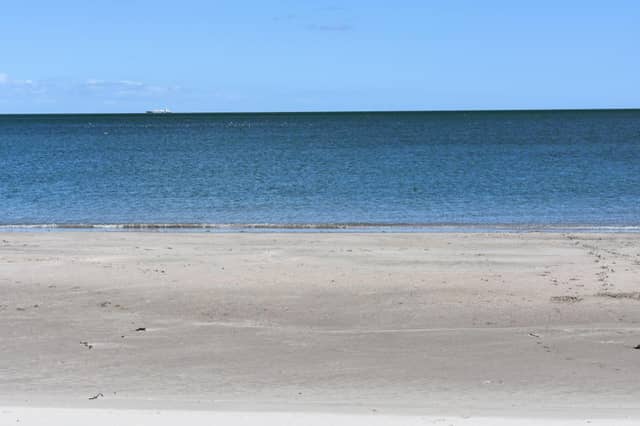


Some of the most popular destinations to take a dip in and around Edinburgh during the summer season have been ranked from best to worst based on water quality - with only five spots meeting the highest standard.
Scotland’s environmental regulator has revealed the water quality classifications for 19 designated bathing waters across Edinburgh, the Lothians and Borders, ranging from ‘excellent’ to ‘poor’.
For the 2026 season, five bathing waters are classified as excellent, eight as good, five as sufficient and one - Fisherrow Sands in Musselburgh - as poor.
Fisherrow Sands was reinstated as a designated bathing water in 2023 following a partnership work to improve water quality, but received a ‘poor’ rating in both 2024 and 2025 due to contamination from gulls.
Across Scotland as a whole, 47 bathing areas have been classified as excellent, 26 as good, 13 as sufficient and three as poor.
Bathing water classifications are based on four years of monitoring data and are designed to provide a long-term picture of water quality over time.
The Scottish Environment Protection Agency will take several water samples between the start of the season and September, and provide regular updates on water quality and pollution risk forecasts to keep swimmers informed.
The regulator said wet weather is one of the biggest factors affecting bathing water quality, with heavy rainfall washing pollution into rivers, lochs and coastal waters.
As a general rule, it suggests people do not bathe during or one to two days after heavy rain.
It also urges anyone enjoying local waters over the coming months to properly dispose of litter, avoid feeding gulls and clearing up after dogs.
Sewer blockages can also be avoided by not flushing wet wipes, fats, oils and grease into drains and toilets.
Ruth Stidson, Principal Specialist Scientist at SEPA, said: “Bathing waters are important places for communities across Scotland and people rightly want clear information about water quality and the factors that can affect it.
“SEPA’s monitoring, forecasting and investigative work help people make informed choices throughout the bathing water season, while also helping us better understand the pressures affecting Scotland’s bathing waters over time.
“Improving water quality is not always straightforward. Conditions can be influenced by rainfall, wastewater infrastructure, runoff and activity across wider catchments and those pressures can vary from place to place.
“For 30 years, SEPA’s scientific monitoring and evidence have supported long-term improvements at bathing waters across Scotland, and we continue to work with partners to identify pollution risks and target action where improvements are still needed.”
Information on Scotland's bathing waters, including classifications, monitoring results, pollution risk forecasts and advice for visitors, is available on SEPA's website throughout the summer.
Here’s a list of the 19 designated bathing areas in Edinburgh, the Lothians and the Borders ranked from best to worst based on their water quality ratings.
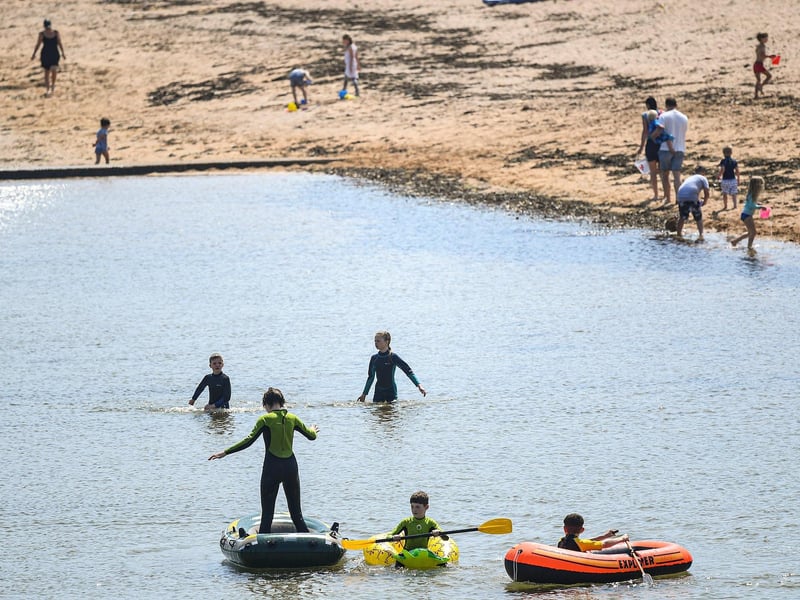
9. North Berwick Milsey Bay, East Lothian
Milsey Bay at the eastern end of North Berwick is also ranked 'good' | Local Library
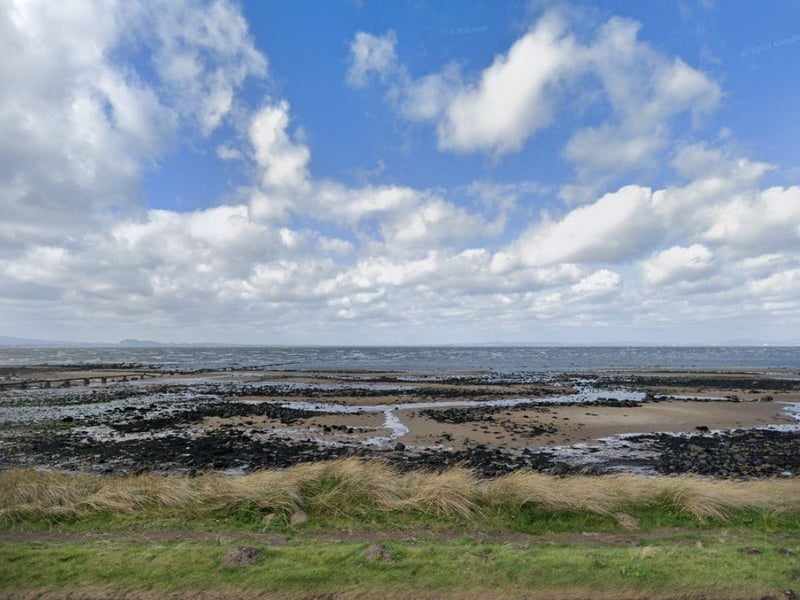
10. Longniddry, East Lothian
The rocky beach at Longniddry, popular among bird watchers, is ranked 'good' | Local Library
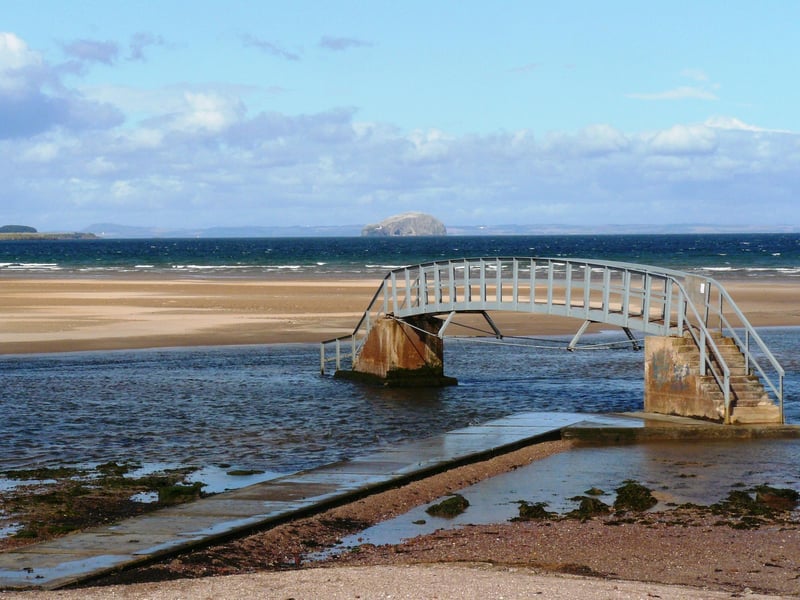
11. Belhaven Bay, East Lothian
Belhaven Bay, known for its sand dunes and rich salt marsh, is ranked 'good' | Local Library
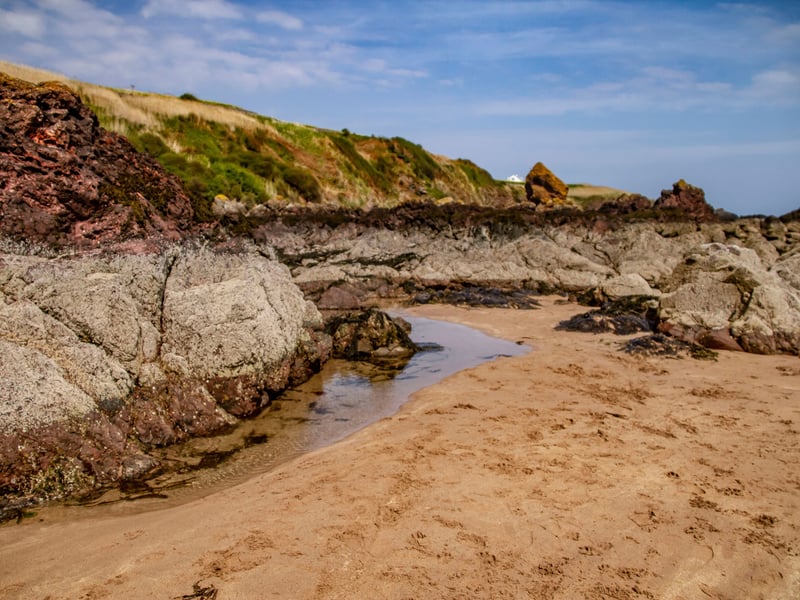
12. Coldingham Bay, Scottish Borders
The Berwickshire beach of Coldingham Bay is ranked 'good' | Canva/Getty Images