

While Edinburgh is set to finally get a large indoor music venue, after the 8,500 capacity Edinburgh Arena at Edinburgh Park in the west of the city was approved last year by the council, the Capital has a lot less small live music venues and nightclubs than it once did, despite an ever increasing population.
Taking information and some photos from the excellent ‘Edinburgh’s Greatest Hits’ book - written by Jim Byers, Jonathan Trew, Fiona Shepherd and Alison Stroak, and published by Birlinn - we delve into the stories of nightclubs and music venues that are no longer operating, but are still fondly remembered by Edinburgh’s music lovers.
Included in the photo gallery are some iconic venues that had Edinburgers dancing away to live music and DJs in the decades past, including Coasters, the Palais De Danse, The Gamp, The Venue, Preservation Hall, Buster Browns and the Caley Picture House.
The latest book by the team behind Edinburgh’s Greatest Hits, Glasgow’s Greatest Hits, came out last month and is available now.
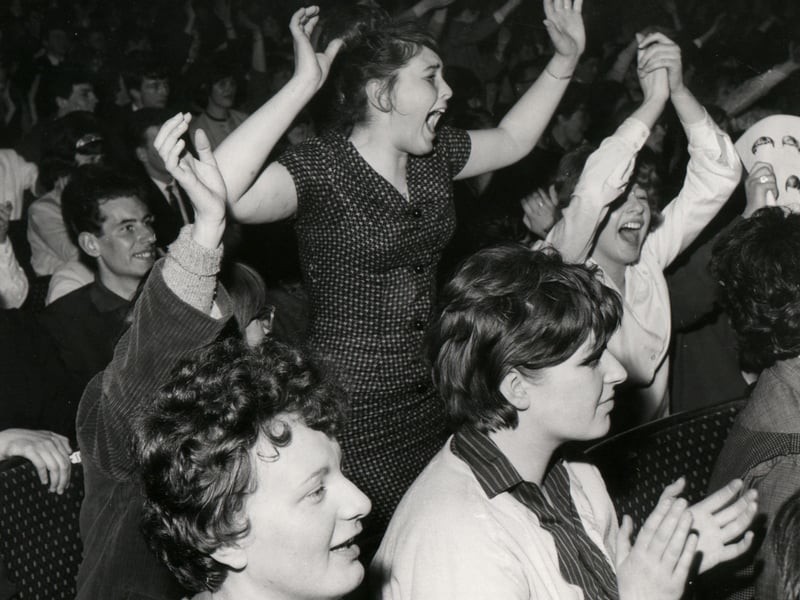
1. ABC/ Odeon
As in many cities, Edinburgh’s cinemas doubled as concert venues in the 60s and 70s. The two most rocking picture houses were the ABC and the Odeon. The ABC on Lothian Road hosted The Beatles (fans are pictured at their show there in April 1964), The Rolling Stones and Bob Dylan, while Rollermania hit the Odeon on Clerk Street. The Odeon’s concert heyday was the 70s – alumni include New York icons Richard Hell, Patti Smith and Blondie, hometown heroes The Incredible String Band, and a tardy Lou Reed who was otherwise occupied with a few pre-gig jars in the bar of the Caledonian Hotel. In June 1979, The Who played one of their first gigs following the death of Keith Moon. That didn’t stop fans raising a chant of ‘bring back Moonie’. Guitarist Pete Townshend retorted with the withering put-down, ‘F**k off, Edinburgh. You’re too quiet for The Who.’ | tspl Photo: National World
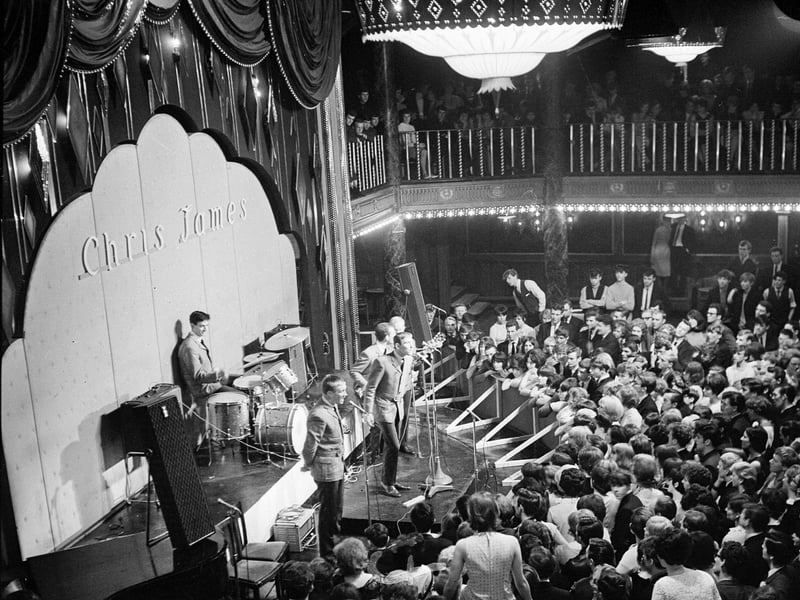
2. Palais De Danse
This fancy Fountainbridge ballroom was frequented by the American Air Force recruits stationed at Kirknewton – who had to meet the approval of a young doorman called ‘Big Tam’ aka Thomas (later Sean) Connery. Unlike his suited and booted manifestation of James Bond, Connery was well known for breaking bouncer dress code by shedding his bow tie, as well as training for bodybuilding competitions in the ballroom’s backstage area. The venue was famous for its hand-cranked revolving stage, later became a bingo hall, and was eventually demolished to make way for student accommodation. Pictured, are The Barron Knights at the Palais De Danse ballroom/dance hall in 1964. | TSPL Photo: National World
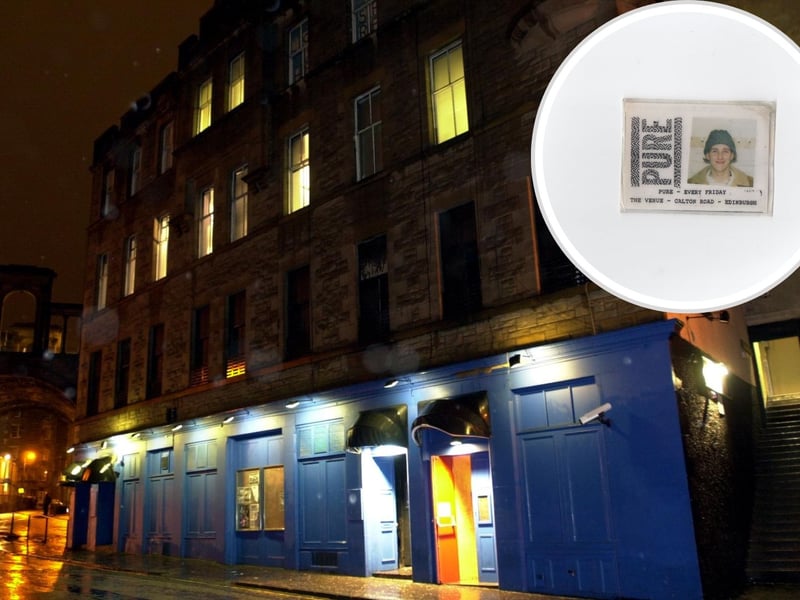
3. The Venue
The Venue was the epicentre of Edinburgh’s music scene during its hedonistic heyday in the 90s and will forever have a place in the hearts of Edinburgh music fans. First opened in the early 80s as the Jailhouse, becoming the Venue in 1987, this venue on Calton Road behind Waverley Station was a bastion of alternative music. With its main ground-floor room holding around 400, it was the perfect place for a brilliantly eclectic array of touring bands, including many who would go on to become some of the biggest acts on the planet. In December 1988, for example, several hundred lucky music fans caught an emerging band from Manchester by the name of the Stone Roses several months before they helped usher in a new era of acid house and youth culture. Likewise, Suede, the Manic Street Preachers, The Verve and Radiohead all played here in the late 80s and early 90s. For many, the Venue was about clubbing and, in particular, Pure on Fridays (see an old Pure membership card inset). The Venue closed in 2006, the building having been sold to a property developer. It became an art gallery and, later, offices. | Birlinn
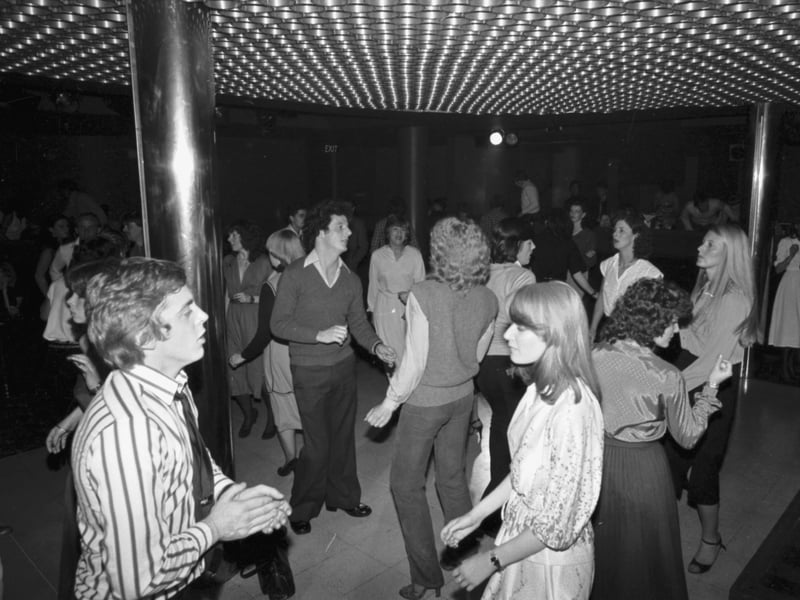
4. Buster Brown's/Electric Circus
Ronnie McKeown, brother of Bay City Rollers frontman Les, was the resident DJ at archetypal 80s nightclub Buster Brown’s (pictured here in 1979), which occupied the site of a former fruit and veg warehouse on Market Street, behind Waverley Station. Hosting after-show parties for Blondie and Duran Duran, its reputation for glamour persisted through subsequent incarnations as Mercado and Massa, with flyers instructing punters to ‘dress up or f*** off’. In 2009 it was reincarnated as the nightclub and live music venue Electric Circus, a much-loved platform for local and touring bands. A young singer from West Lothian called Lewis Capaldi once played the opening slot of a three-band bill, while fellow bright young thing Nina Nesbitt cut her teeth at an open mic night. The venue closed in 2017, and the space has subsequently been developed as an extension of the Fruitmarket Gallery. | TSPL Photo: National World