
Inside historic home of Edinburgh-born Robert Louis Stevenson as property faces £1.5m fight for survival
A video shows volunteer resident Curator Mike Delahant giving a tour of the Robert Louis Stevenson Cottage Museum.
As Robert Louis Stevenson’s 175th birthday approaches on November 13, the Stevenson Society of America are working to reinvigorate his legacy and restore his former New York home - now the Robert Louis Stevenson Cottage Museum.
Author of “Treasure Island”, “Kidnapped” and “Dr. Jekyll and Mr. Hyde”, Stevenson was born in Howard Place, Edinburgh before moving to Bournemouth and later the US.
Suffering from chronic pulmonary illness, Stevenson moved to a “cure cottage” in Saranac Lake, for the village’s new tuberculosis sanatorium (a historic name for a specialised hospital treating specific diseases) in October 1887, and lived there until April 1888.
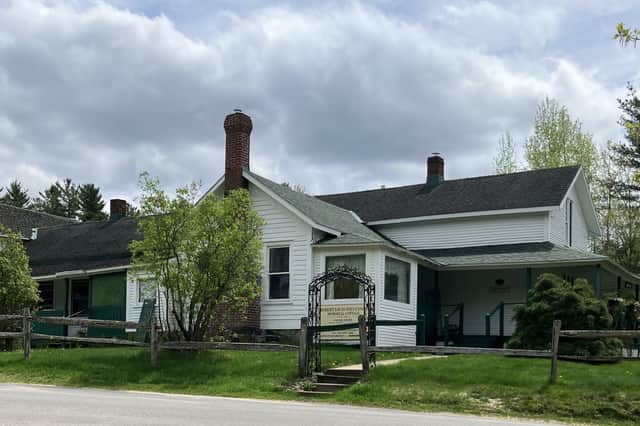

Trenton B. Olsen, Stevenson Society of America President and Stevenson scholar, said: “Stevenson’s six months in Saranac Lake were pivotal for him personally and professionally.” His health improved, and he wrote two novels and some of his best-known essays. At the cottage, Stevenson planned his greatest adventure: a South Pacific voyage that led him to Samoa for his final years.
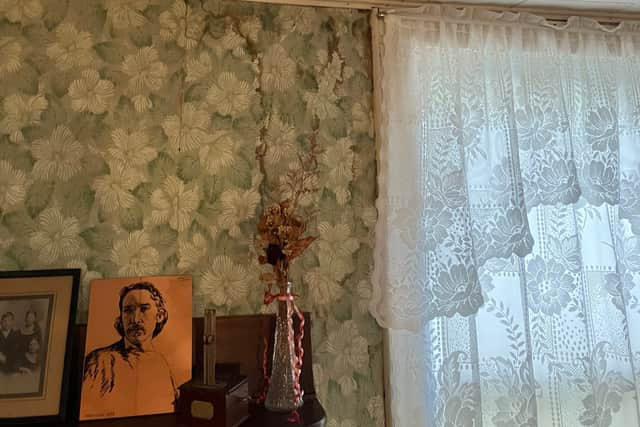
The Stevenson Society of America formed in 1915 and opened his Adirondack residence as a museum the following year - the world’s first site dedicated to the author. Organisers included luminaries such as Associated Press founder Charles M. Palmer, William Morris of the namesake talent agency and Mount Rushmore sculptor Gutzon Borglum. Stevenson’s family members and friends joined the Society and donated most of its vast collection: from the author’s infant cap to the last pen he ever used.
The Cottage Museum fell on hard times in the Great Depression and never financially recovered. It’s been preserved by a single family of volunteer resident curator-caretakers for more than 70 years. Following his father and grandparents, Mike Delahant took on this role in 1980, expecting only to stay for a short time. Delahant said: 45 years later here I am. I, too, seem to have fallen under the Stevenson spell.”
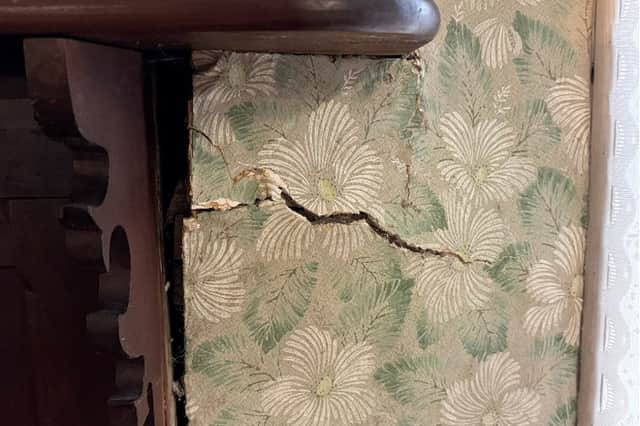
Olsen, a literature professor at Brigham Young University-Idaho who recently edited the first comprehensive collection of Stevenson’s essays ever published, took over as Society head in 2023 and saw danger looming. The all-volunteer museum lacks the funding for essential building repairs, let alone the means to eventually replace the 74-year-old Delahant with hired staff. Olsen said: “Failing to preserve the cottage would be an immense loss for literary history. We’re committed to securing its future.”
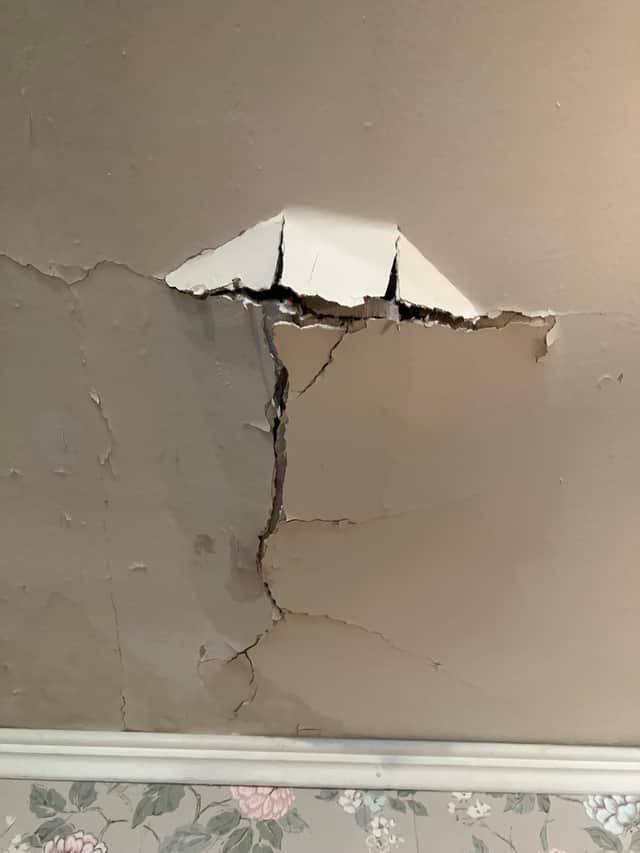
In 2024, the Stevenson Cottage was one of only 71 institutions in America to receive funding for an initial preservation assessment from the federal Institute of Museum and Library Services. The report said: “The cottage is in extremely poor condition. It is critical that efforts be initiated to protect the structure.” The board has since replaced a failing roof and secured state and regional grants for additional architectural study and building repairs. However, the necessary restoration of the cottage, built in 1855 and listed on the National Register of Historic Places, will cost approximately $2 million (£1.5 million): far beyond what the small group of volunteers has managed to raise.
Phillip Lopate, new board member and leading American essayist, said: “I’ve been to a lot of writers’ houses in my life, and this is one of the better ones. I hope it will begin to draw donors to make it everything it could be.”
Olsen said: “People who admire Stevenson, appreciate his work, and value the preservation of cultural heritage can help us save one of the great literary sites in America.”
Further details on the Robert Louis Stevenson Cottage Museum’s fundraising can be found here.