
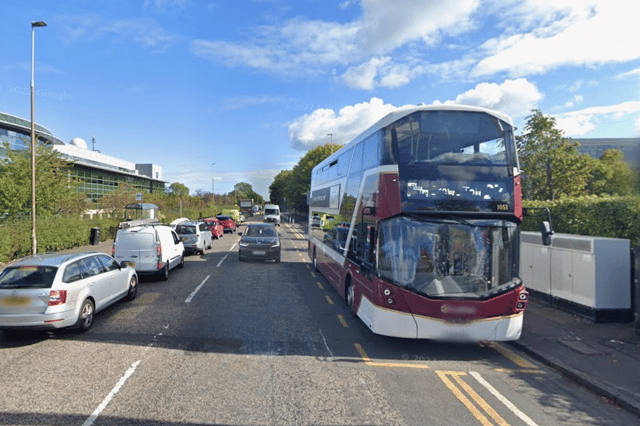

Much of the attention so far has focused on the most controversial issue - whether the northern section of the route should use the Roseburn Path, a former railway line which is now a popular pedestrian and cycle path, or go via Orchard Brae, which would mean crossing the Dean Bridge, seen as a major engineering feat.
However, the Roseburn Path v Orchard Brae debate covers only part of the route.
The new line heading south from the city centre, along the Bridges corridor to Cameron Toll and then towards the Infirmary and BioQuarter, with the possible extension to Shawfair and elsewhere, has been rather neglected so far.
Yet there are challenges and consequences here too - a tight turn onto North Bridge which could mean narrowing a pavement on Princes Street; but measures on South Bridge which would allow pavements there to be widened; residents who may face restrictions on turning in and out of their drives because of overhead lines down the middle of the road; and extra congestion causing delays.
So here is a step-by-step guide to what is in store along the route of the proposed new tramline from Granton - including both Roseburn Path and Orchard Brae options - all the way to the Infirmary.
The proposals are currently out to consultation until next Monday, November 17.
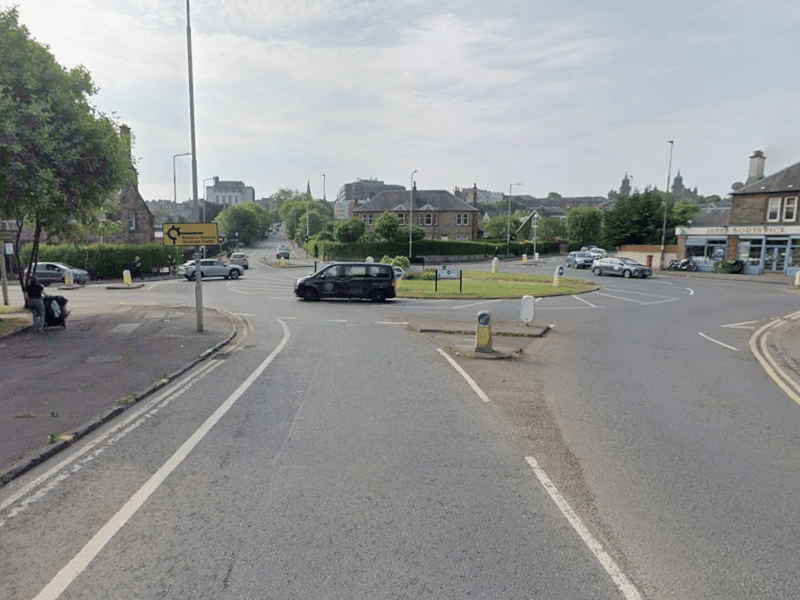
5. Comely Bank roundabout
If the Orchard Brae route is chosen, Comely Bank roundabout would be replaced with traffic lights. The modelling report notes that on Crewe Road South, a number of properties on the west side of the street with private driveways may only be able to turn left in and left out due to overhead lines down the centre of the street. They would be able to do a U-turn at Crewe Toll but the signalisation of Comely Bank roundabout would make U-turning there impossible. | Google
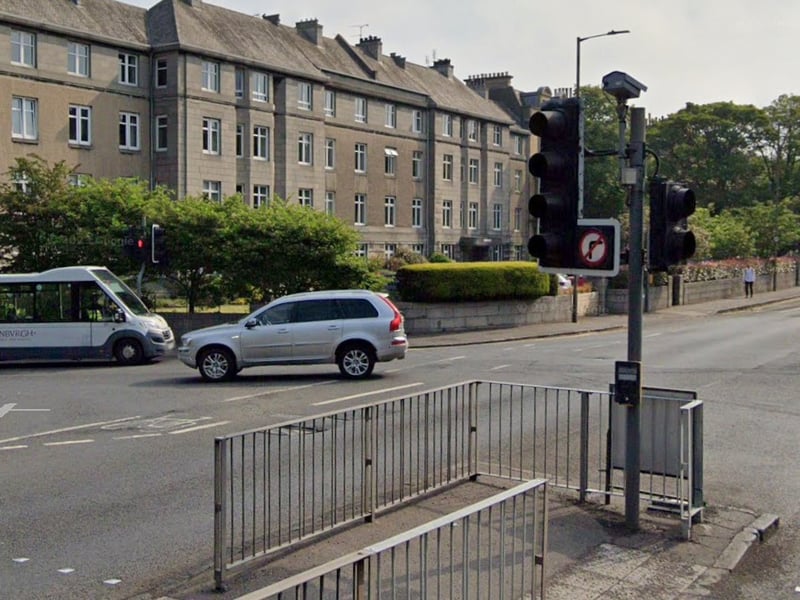
6. Orchard Brae/Queensferry Road junction
The modelling report says the junction at the top of Orchard Brae, with Queensferry Road, will require careful design to accommodate trams. It says: "Typically, tram articulation can negotiate tight turns or steep gradients, but not both at the same time." But it also notes: "Orchard Brae was originally built for trams, with a constant 6 per cent gradient." | Google
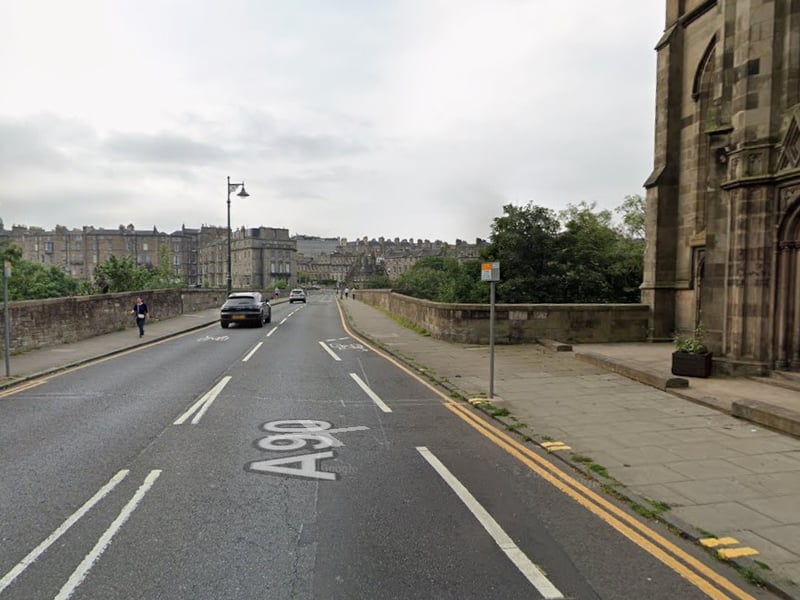
7. Dean Bridge
Engineering consultants have said there is little information on the condition of the 19th century Dean Bridge, which the trams would have to cross if the Orchard Brae route is chosen - although the consultants did raise the option of demolishing the current bridge and building a "new structure". The modelling report says that if trams do have to run across Dean Bridge, width constraints mean that no segregated active travel provision could be provided. | Google
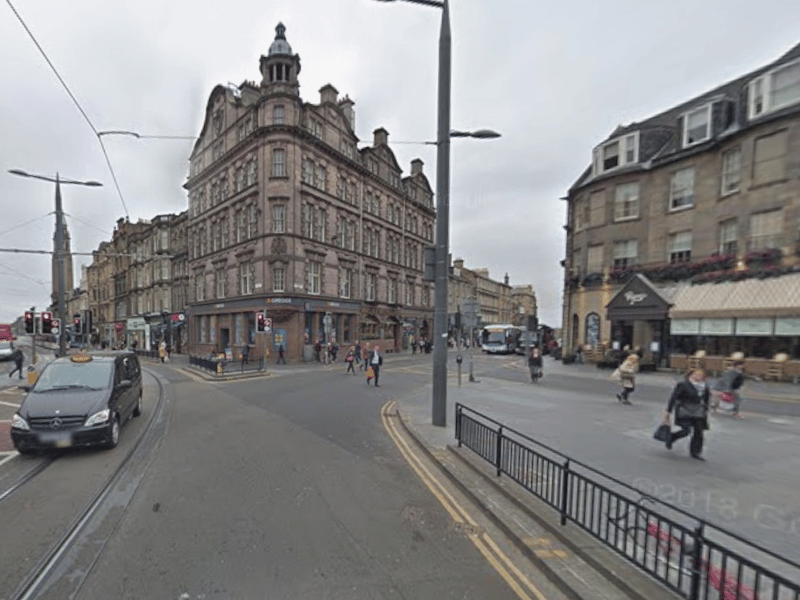
8. Queensferry Street / Princes Street junction
The Orchard Brae option would see the trams joining th existing line at the junction of Queensferry Street and Princes Street at the West End. But the space constraints mean that only an east-facing junction could be built there. No direct connection would be possible between Queensferry Street and Shadwick Place. So passengers travelling from the Granton corridor would have to change at Princes Street to go to Haymarket and all stops to the airport. | Google