
Historic Edinburgh brewery to become new 168-flat development despite over 150 objections
The site of the historic former Caledonian Brewery is set to become a 168-flat development with just two parking spaces after plans were approved by Edinburgh councillors.
Locals had raised concerns about the development due to the site’s proposed parking being two wheelchair accessible spaces, with over 150 public objections were lodged.
But councillors unanimously supported the plans, which they said offered a good way of adding housing to the city while also preserving the historical character of the brewery.
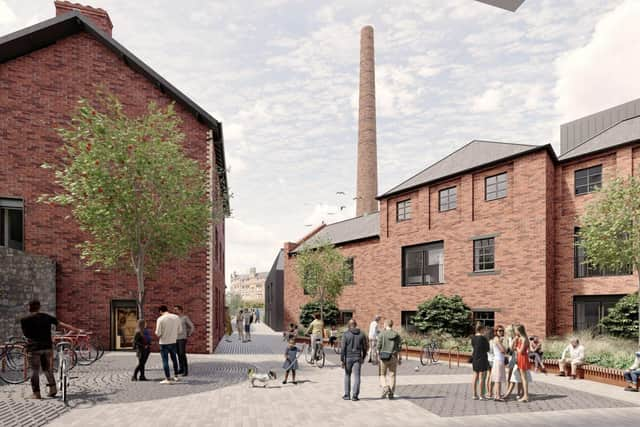

Conservative councillor Jo Mowat said: “I think what is hugely positive is that this is a housing development on this site. I think a lot of people would have gone to student housing where we have more relaxed policies.
“It’s a huge shame to lose the Caledonian Brewery as a brewery, but to keep this preserved I think is hugely positive. I think it’s a good day for the city.”
Liberal Democrat councillor Hal Osler, convener of the Development Management Sub-Committee, concurred, saying: “I think there’s a lot to commend the site. This is a very unique site. I’m delighted that this is housing.
“It’s lovely that you can get this level of uniqueness that people are going to enjoy going forward, that is going to be upgraded.
“Hopefully, in the future, there might be a possibility of linking the site up. I don’t have the same level of concerns about a non car-based [site].
“I think it would have been a shame to put car parking into this site, as it would have ruined the aspect. I commend the applicant, and I think the design they brought forward is very interesting.
“It will retain the historic [element], but add to that.”
Some 164 comments were received from locals about the development, with 152 in opposition.
One read: “I am alarmed that there are only two car parking spaces proposed for 100 new properties.
“The proposal will cause chaos in surrounding streets where parking is at capacity. This is very poor planning.
“For the sake of the existing community, please insist that the developers build more parking spaces into their plans.
Another said: “As a long-term resident, parking has always been an issue around the area. The public transport at peak times will be overloaded.
“I am not a car owner, but have been, and the challenges of parking for myself and visitors has been difficult.
“The proposed development will, unless there are changes to the parking, cause disruption and distress to the area.”
Officers told councillors that the property was not in a controlled parking zone, meaning that residents would not be able to apply for parking permits in the local community.
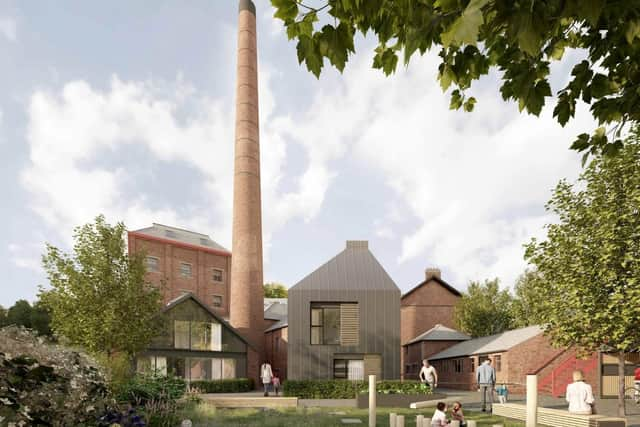
Edinburgh’s last major brewery, the site closed in 2022 with the loss of 30 jobs after running almost uninterrupted for 153 years.
When it shut, it had been producing beers for Heineken, with operations shifted over to the Belhaven brewery in East Lothian.
Most of the original brewery will be retained, with the remaining historic structure becoming housing or office space.
Independent councillor Ross McKenzie, who represents the Sighthill/Gorgie ward the development sits in, remarked how rare a development like this was in the local area.
He said: “Gorgie Community Council, very deliberately, did not object to this application, because there was a collective sense of disbelief that they’d been notified of a housing development that was not [student flats].
“This is the first mainstream housing development to come forward during my time as a councillor in the Gorgie area.”
Some councillors raised concerns about the percentage of the development which was affordable housing.
Just under 25% of the planned development is affordable, but the city’s development plan sets out a target of 35 per cent.
The developers said the plans had been developed while the city’s old development plan was in effect, which only required a 25 per cent contribution.
Councillors also said they were unhappy that the lack of a bridge or tunnel crossing the Edinburgh to Glasgow via Shotts railway line, which cuts the site off from Gorgie.
Green councillor Chas Booth asked the developers: “Can you talk us through what options you explored to improve the pedestrian permeability of the site, and why you had to rule them out?
An agent for the developer replied: “It’s a very constrained site. We have the Network Rail land to the north, and we have a steep, vertical retaining wall to the south on to Slateford Road, which is holding up a main arterial road.
“And we have the cemetery to the east, again, with a large level difference at that point. So we’re constrained. We can only access it from Slateford Road.”
Cllr Booth followed up to ask if the developers had considered building a pedestrian bridge over the railway line.
The agent replied that they had not explored it in depth, as “dealing with Network Rail is not the easiest”.
He also said that the development group would welcome the council’s help in working with Network Rail on the issue.
Cllr McKenzie, when addressing the committee, also said he anticipated that working with Network Rail to build a crossing over or under the railway line would be difficult.