
A railcard for wider age groups can help Scotland travel greener
Making public transport cheaper is one of the most practical things we can do to tackle the climate emergency and help people through the cost of living crisis. Too often, though, the choice between taking the train and driving comes down to the price of a ticket.
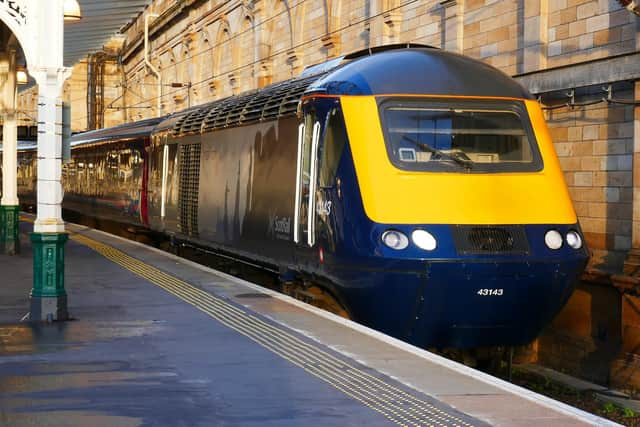
That is why the Scottish Greens are proposing a new railcard for people in their thirties and forties, offering a third off rail fares and funded by a Frequent Flyer Levy on those who fly most often.

For many people, turning 31 means losing access to age-based travel discounts, even as mortgages, childcare costs and everyday bills put increasing pressure on household budgets.
The proposed railcard would fill that gap, giving people aged 31 to 49 a fairer deal and making journeys to work, visits to family and days out across Scotland more affordable.
It is a straightforward idea, but one that speaks to a bigger question about fairness. Why should someone who flies regularly for business pay no more towards the environmental damage they cause than someone saving up for an annual family holiday?
The Scottish Greens want to replace Scotland's Air Departure Tax with a progressive Frequent Flyer Levy.
Those who fly most frequently, particularly wealthy business travellers, would contribute more, while ordinary holidaymakers would be protected from higher bills. Lifeline flights serving Scotland’s island communities would also be exempt.
Research by the Scottish Trades Union Congress estimates that a levy could raise around £50 million a year in Scotland. That is money which could help fund cheaper, greener alternatives to air travel, rather than leaving working people to shoulder the costs of the climate crisis.
The Scottish Greens recognise that our transport system needs to change, and that we need to make sure people have realistic, affordable alternatives.
Scotland cannot meet its climate targets while leaving households dependent on cars and continuing to make greener journeys an expensive option.
We already know that reducing fares can make a real difference. The Scottish Greens secured free bus travel for under-22s, helping young people get to college, work and social activities without the cost of a ticket standing in their way. We also fought to abolish peak rail fares, removing an unfair penalty for people who need to travel at busy times.
More recently, Green MSPs secured a £2 bus fare cap pilot for the Highlands and Islands. These measures show what can happen when political choices put passengers and communities first.
But there is much more to do. We need cheaper and more reliable trains, affordable buses, better connections between services and a public transport network that reaches rural communities as well as our cities.
People should be able to choose the train or bus because it works for their journey, not feel forced into the car because everything else costs too much.
The climate emergency requires serious action, but that action must also improve people’s lives. Asking those who fly most often to contribute more, and using the money to make trains cheaper, is a fair way to do both.
We can build a Scotland where travelling sustainably is easier on the planet and easier on the pocket. That is the kind of change the Scottish Greens will keep fighting for.