
Behind the scenes we’re making sure our museums have a future - Angus Robertson
Museums play a central role right across Scotland in education, community engagement and heritage preservation.
Whether in cities, towns or rural settings, they support learning, tourism and local identity.
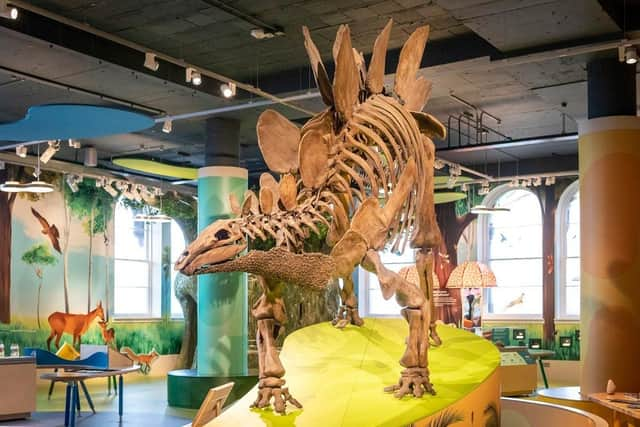

With over 400 museums of all types and sizes, the strength of the sector lies in its diversity and connection to place.
The last few years have presented real challenges. The pandemic disrupted operations, caused a drop in visitor numbers and introduced new financial pressures. Rising energy costs and staffing difficulties have made the situation harder still, especially for smaller museums or those relying on volunteers. Ensuring long-term sustainability is now a clear priority.
The new Museum Futures programme, developed by Museums Galleries Scotland and supported with £4 million in funding from the Scottish Government, has been designed in response to this context. Its aim is to help the museum sector across Scotland become more resilient and better prepared to adapt to change. The approach is practical and focused on the sector’s own priorities.
The programme is structured around three key themes: workforce development, leadership support and sector collaboration. Investment in these areas reflects ongoing conversations with museums about what is most urgently needed to secure the future of collections, expertise and public engagement.
Workforce challenges remain significant. Many organisations have struggled to recruit and retain skilled staff. Others rely heavily on volunteers with limited access to training. The Museum Futures programme will fund staff development, create entry routes into museum work and support a more inclusive and skilled sector workforce. This will benefit organisations of all sizes, including those with limited internal capacity.
Leadership support is another area of focus. Small museums often have a small number of staff covering multiple roles, which can make forward planning difficult. Through mentoring, peer learning and access to expertise, the programme will help leaders build confidence, improve decision-making and manage change effectively.
The third strand supports collaboration. Many museums face similar issues but work in isolation. By encouraging resource-sharing and joint projects, the programme creates space for practical innovation. Museums can learn from one another, trial new approaches and strengthen local partnerships. This kind of cooperation is especially valuable for organisations operating outside the central belt.
Geographic reach is an important part of the programme. Support will be offered across Scotland, with attention to areas where funding and capacity have been harder to access. Rural and island museums, as well as those in disadvantaged communities, will be able to apply for targeted assistance.
Similar strategies have been used successfully elsewhere. In Ireland and Scandinavia, investment in regional museum networks has helped secure long-term sustainability. The Scottish approach draws on that international thinking while staying grounded in local need.
Museums contribute to more than cultural life. They support local economies, provide lifelong learning opportunities and act as civic hubs. Through the Museum Futures programme, Scotland is taking steps to ensure they remain relevant and resilient. The result will be a stronger, more connected sector that continues to serve the public in the years ahead.
As the Culture Secretary and MSP for Edinburgh Central, I’ll take this opportunity to remind everyone, that while many come to Edinburgh in summer for the festivals, the city’s museums remain open and are always worth a visit. From major exhibitions to unique local collections, there is a huge amount to see.