
The move towards a cashless society does not suit everybody - Steve Cardownie

Over the last few months, I have been making strenuous efforts to resist the temptation of paying for “everything” with my mobile phone as I go about my daily business.
Instead, I have been seeking out ATMs and withdrawing the amount of cash that I have estimated that I will need
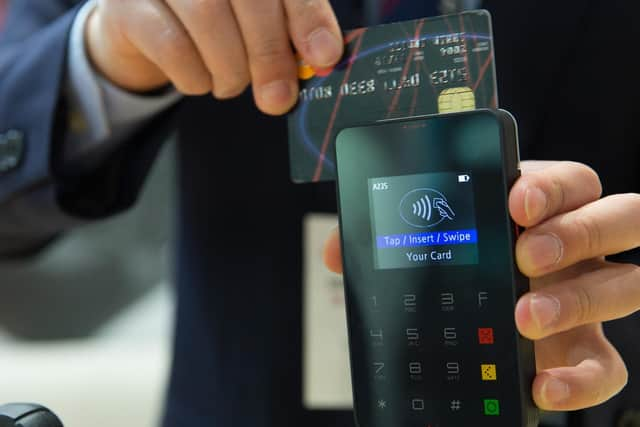

This, however, is an inexact science and I have resorted to a number of cashless transactions when the money has run out and cannot deny that using a phone or card is a convenient way of paying for goods or services.
Across Europe, the move towards cashless societies has been speeding up over the past ten years, driven by technological innovation, digital payment infrastructure and changing consumer behaviour.
For instance, cash payments in the UK have fallen to just 12 per cent as people turn to platforms such as Apple Pay, Google Pay and Monzo instead.
And in Sweden, cash now accounts for less than five per cent of all retail transactions and over 90 per cent of Swedes use a mobile payment app called “Swish” which is supported by all the major banks.
In Norway, cash usage has dropped to around three per cent and only one in ten Norwegians now regularly carry cash.
Denmark has witnessed that contactless cards and mobile wallets now account for over 95 per cent of all point-of-sale purchases.
In The Netherlands approximately 80 per cent of transactions are now conducted digitally as cash withdrawals from ATMs has dropped by around 60per cent over the last five years.
This surge in digital transactions in some countries has posed some serious questions about excessive government or corporate surveillance of spending patterns and that an individual’s anonymity can be compromised by making such transactions.
But it would appear that younger users in particular are less concerned about these issues. They have embraced the speed and convenience of digital over cash and they have grown accustomed to “tap and go” payments and digital wallets.
Some experts believe that some societies will be cashless in five years and of the 15 countries predicted to become cashless, seven are in Europe. Unsurprisingly, they are, Norway, Switzerland, Finland, Sweden, Denmark, The Netherlands and the UK.
So, it seems that the development of cashless societies is proceeding apace and is being driven by younger consumers who have grown up with the technological advances that older generations could only marvel at.
However, several countries have implemented “cash access guarantees” to ensure that cash remains available to those who need it.
And here in the UK, due to public pressure, the government has required banks to maintain local cash access points to support older and rural residents who remain dependent on cash.
So, I will continue to withdraw funds from ATMs in the hope that the cash will be enough to see me through the day.
But, if not, I can always rely on my phone or card as back up. This way, I can have my cake and eat it!