
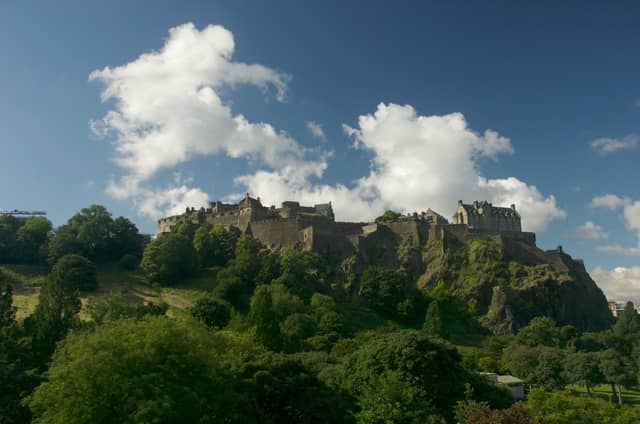


With Historic Environment Scotland announcing earlier this week that it will open some of its heritage sites this winter for free on the first Sunday of every month, we’ve taken a more detailed look at the places you can visit.
Historic Sundays will run from October 1, 2023, through to March 3, 2024. Simply pre-book online and show your proof of address on arrival. Although many of the free tickets have already been snapped up for the October Historic Sunday, more tickets are due to be released for the coming months shortly. Visitors are advised by Historic Environment Scotland to keep up to date at their website.
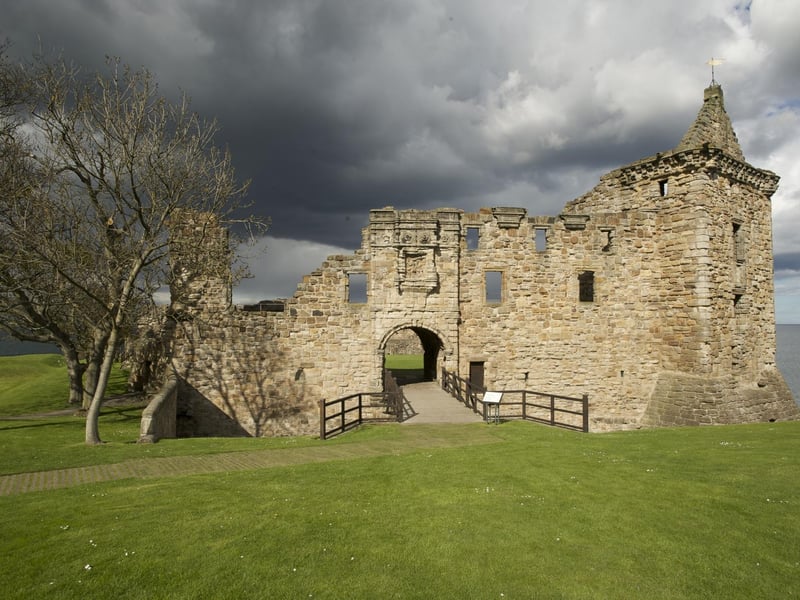
13. St Andrews Castle
St Andrews Castle was the official residence of Scotland’s leading bishop (and later archbishop) throughout the Middle Ages. Its size signalled the power and wealth of these important churchmen. Some key moments leading up to the Protestant Reformation in 1560 took place inside the castle walls. These include the: burning of the Protestant preacher George Wishart; murder of the Catholic Cardinal David Beaton; the great siege of 1546–7, when the church reformer John Knox was one of the garrison. Photo: HES Archive
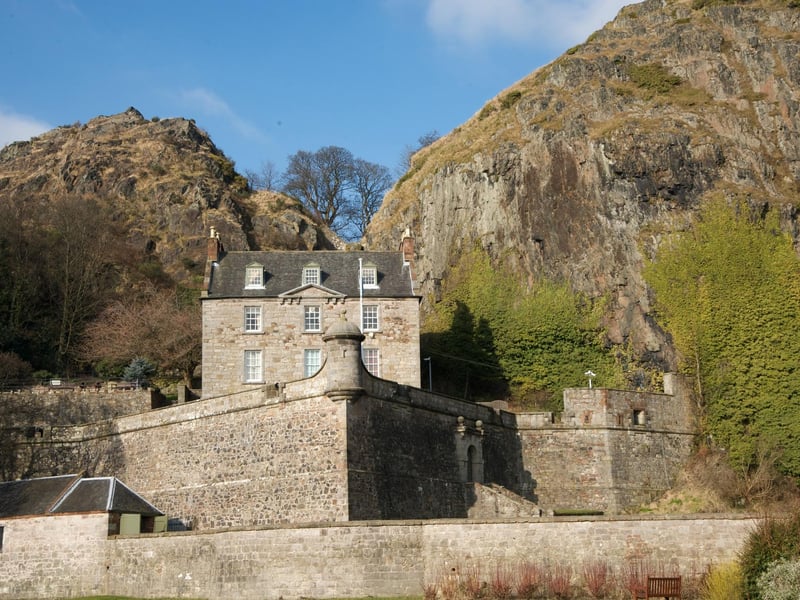
14. Dumbarton Castle
Dumbarton Castle guards the point where the River Leven joins the River Clyde. Its recorded history goes back 1,500 years. Back then, the place was known as Alt Clut (‘Rock of the Clyde’). Later it became known by the Gaelic name Dun Breatann (‘Fortress of the Britons’) from which the name Dumbarton is derived. In the 1220s, the castle was a border stronghold – the Norwegian frontier lay just 10 miles downriver. The Treaty of Perth (1266) gave control of the Western Isles to the Scottish Crown, removing the threat from Norway – but an even greater menace from England soon replaced it. Dumbarton was an important royal castle in the Middle Ages. In later centuries, Dumbarton Rock became a mighty garrison fortress, its defences packed with guns. It last saw military action as recently as the Second World War. Photo: HES Archive
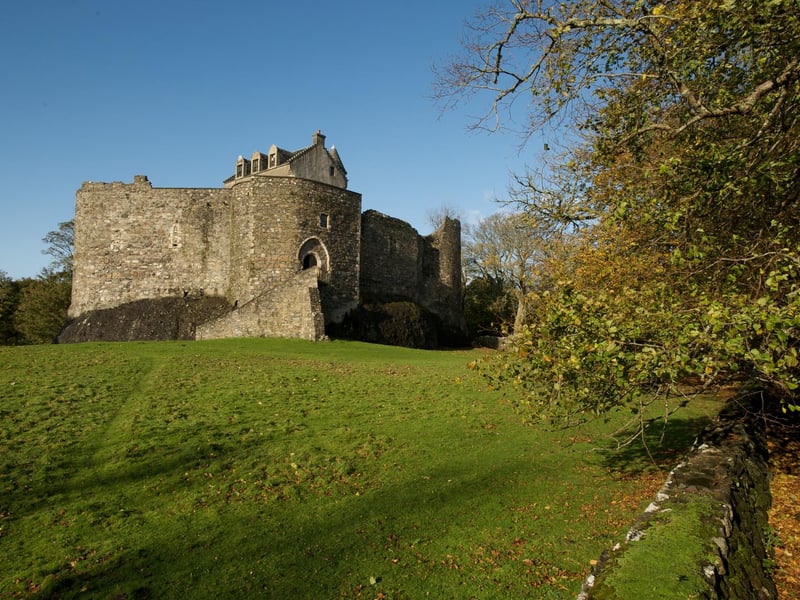
15. Dunstaffnage Castle and Chapel
Dunstaffnage Castle is one of Scotland’s oldest stone castles. This mass of masonry guards the seaward approach from the Firth of Lorn to the Pass of Brander – and thereby the heart of Scotland. It still overawes visitors today. The castle was built before 1240, probably by Duncan MacDougall, son of Dubhgall, Lord of Lorn, and grandson of the great Somerled, the self-styled ‘King of the Isles’. These were stirring times in Argyll, because of the struggle between the Kingdom of Scotland and Norway for control of the Hebrides. Photo: HES Archive
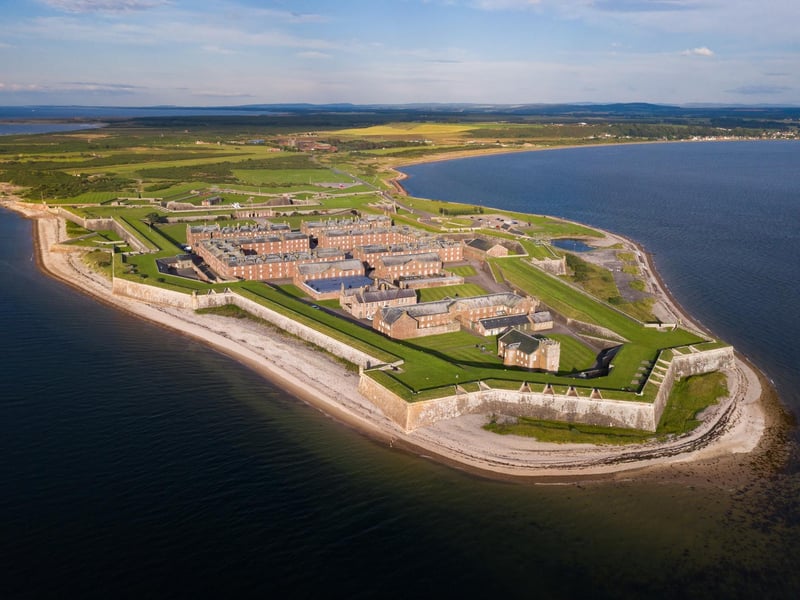
16. Fort George
Fort George is the finest example of 18th-century military engineering anywhere in the British Isles, though the army base never fired a shot in anger. Today, the fort would cost nearly £1 billion to build and equip. Strategically located on a promontory jutting into the Moray Firth, the army base was designed to evade capture. Fort George was built on a monumental scale, making use of sophisticated defence standards, with heavy guns covering every angle. Photo: HES Archive