
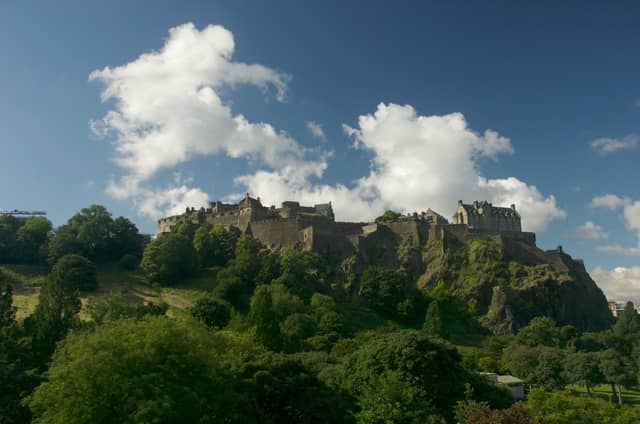


With Historic Environment Scotland announcing earlier this week that it will open some of its heritage sites this winter for free on the first Sunday of every month, we’ve taken a more detailed look at the places you can visit.
Historic Sundays will run from October 1, 2023, through to March 3, 2024. Simply pre-book online and show your proof of address on arrival. Although many of the free tickets have already been snapped up for the October Historic Sunday, more tickets are due to be released for the coming months shortly. Visitors are advised by Historic Environment Scotland to keep up to date at their website.
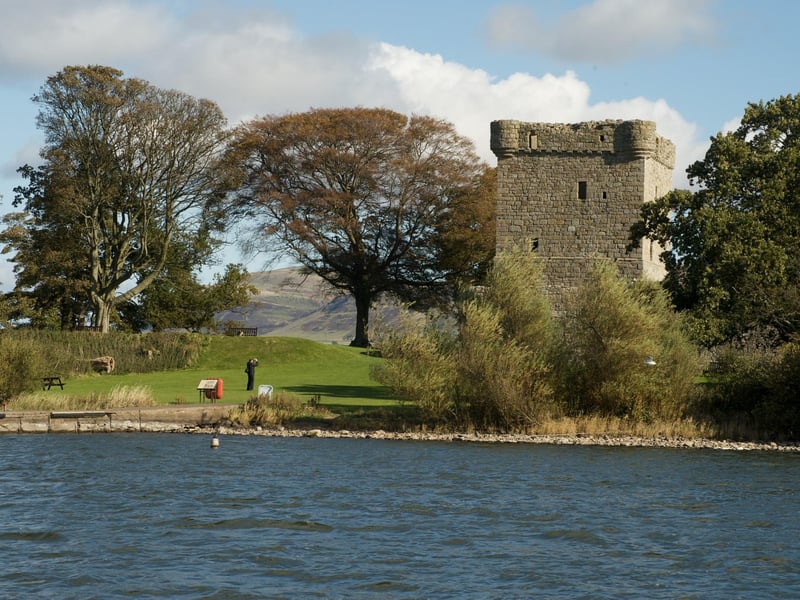
17. Lochleven Castle
Lochleven is linked to many colourful events and famous characters – royal visitors and royal prisoners alike. But the island stronghold is best known as the place where Mary Queen of Scots was held prisoner for almost a year. Some who took the boat across Loch Leven came of their own free will, including Robert the Bruce in 1313 and 1323. Others were imprisoned within the castle walls – such as Robert Stewart in 1369, two years before his coronation as Robert II. Mary Queen of Scots first visited Lochleven in 1561 as a guest of its owner, Sir William Douglas. Her last stay, in 1567–8, was as his prisoner. Photo: HES Archive
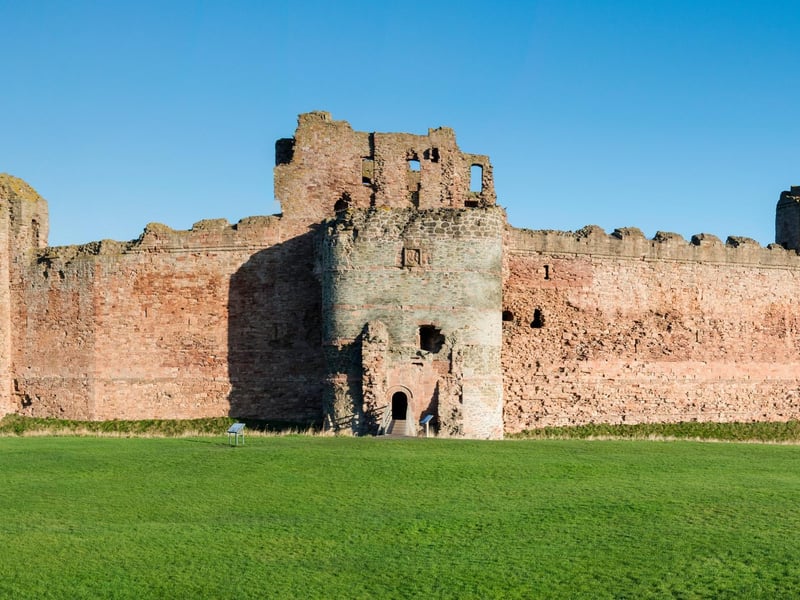
18. Tantallon Castle
Tantallon in East Lothian was the last truly great castle built in Scotland. William Douglas, a nobleman, built the mighty fortress in the mid-1300s, at the height of his power. William was made Earl of Douglas in 1358 – by which time masons may already have begun to build Tantallon. The house of Douglas split into two branches in the 1380s: the ‘Black’ and the ‘Red’. Tantallon passed to the junior line – the earls of Angus also known as the ‘Red Douglases’. They owned the castle for the next 300 years, often clashing with the Crown. Photo: Duncan A Peet
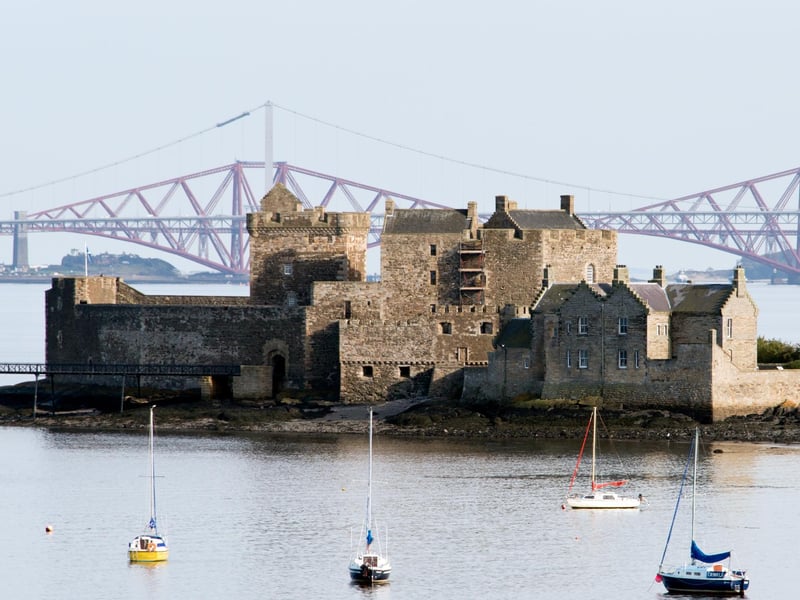
19. Blackness Castle
Blackness Castle stands by the Firth of Forth, at the port that served the royal burgh of Linlithgow in medieval times. Though built in the 15th century as a lordly residence for the Crichtons, one of Scotland’s more powerful families, it soon took on other roles. Blackness went on to become: a royal castle, in 1453; a garrison fortress; a state prison; an ammunition depot, in the later 19th century. The castle was decommissioned after the First World War and passed into state care as a visitor attraction. Photo: HES Archive
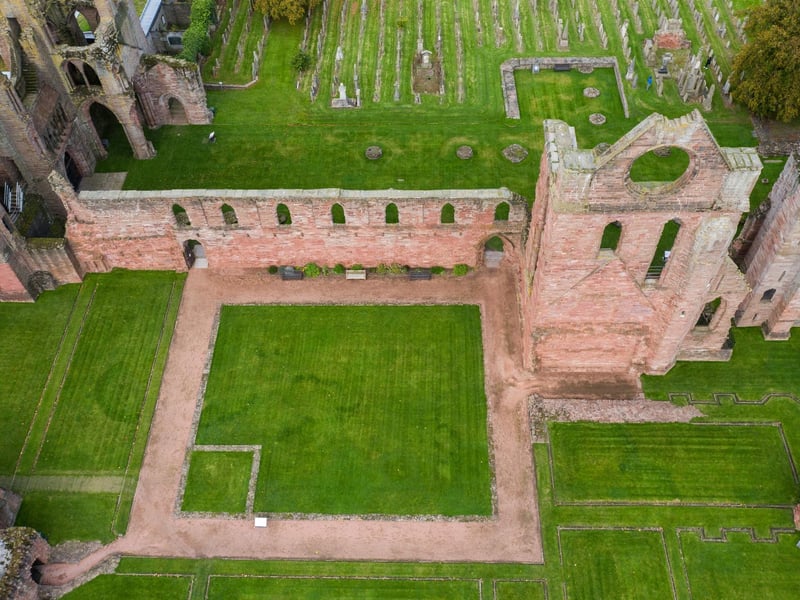
20. Arbroath Abbey
Arbroath Abbey shows how Scotland’s medieval monarchs mixed piety and politics. William I – also known as William the Lion – founded the abbey in 1178. He asked the Tironensian monks from Kelso Abbey to establish the monastery. The abbey was intended: as a memorial to William’s childhood friend Thomas Becket, the murdered Archbishop of Canterbury; to help the king to expand his authority in the north-east of Scotland; to demonstrate the king’s right to rule. The king was buried in front of the abbey’s high altar following his death in 1214. Photo: Santiago Arribas HES