
Edinburgh councillors show no appetite for adventurous ideas on Princes Street
Planning committee backs council officials’ more cautious approach
They called it "ambitious pragmatism". Faced with deciding what Princes Street should look like in the future, Edinburgh's planning committee backed the cautious option.
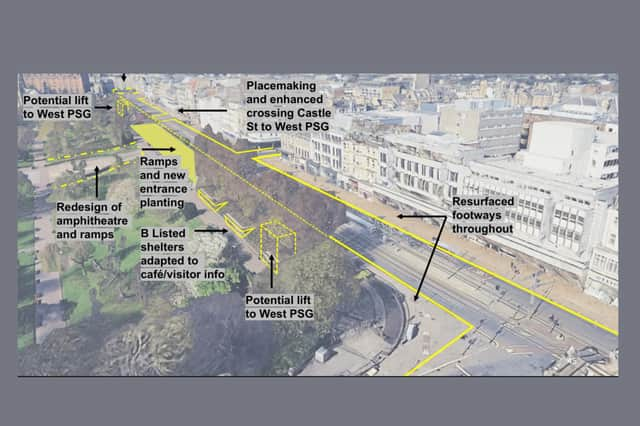
There will be new natural stone paving for the footways; the pavement on the gardens side will be widened by up to 1.5 metres; lifts could be installed from street level down to the gardens; some of the shelters might be turned into cafes; there could be new public toilets and the Ross bandstand will be upgraded.

The package was put together by council officials after their previous plans were rejected by the committee as lacking in ambition and imagination. Some critics complained little had changed.
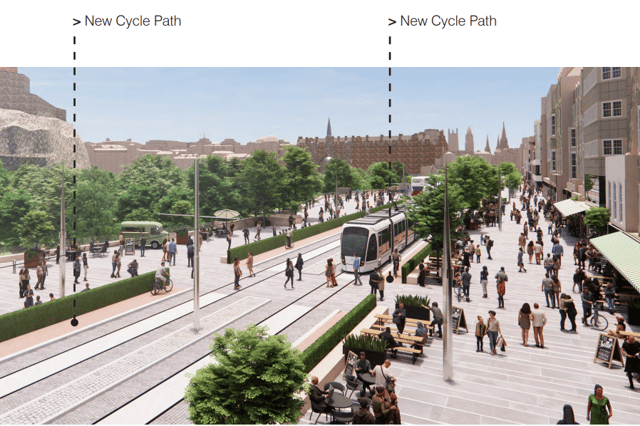
The alternative option - which council officials labelled "radical rethink" - was largely based on a scheme put forward by Edinburgh architect Richard Murphy, which included reducing the carriageway to one lane in each direction, introducing cycle lanes, making the pavements even wider than the council proposed, removing the railings into the gardens and excavating under the pavement to create restaurants facing out into the gardens.
Heritage groups pointed to the long history of controversial plans for Princes Street which had been floated but (thankfully) never fulfilled as evidence of why the council’s caution was the wise way forward.
The officials' plans earned the "pragmatic" label because they recognised that finance for the project was unlikely to be plentiful and also that whatever plan they came up with would have to accommodate a large number of buses using Princes Street.
Liberal Democrat Kevin Lang questioned the "ambitious" tag on the officials' plans and urged the committee to be "bold and brave" by adopting the more radical option.
But the majority of the committee was not convinced. Privately, one councillor dismissed the radical rethink, commenting cynically: "All that was missing were flying cars."
One of the advantages cited in support of the less radical option was that the work could begin very soon.
It was also argued that caution now did not preclude bolder initiatives in future - but given the apparent lack of appetite for adventurous proposals, a change of heart seems unlikely anytime soon.