
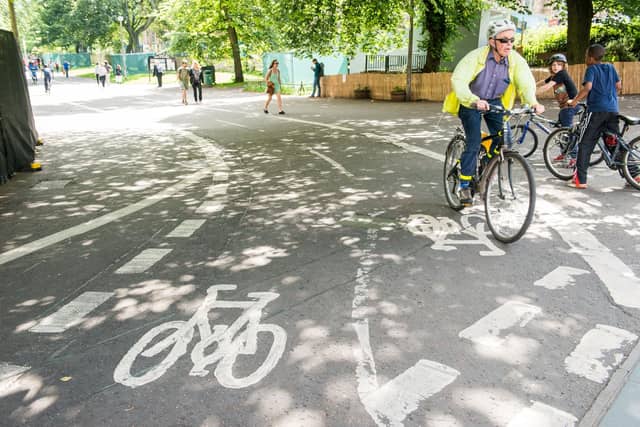

The Capital’s controversial transport policies have “broad support” from the Edinburgh public, according to city transport convener Scott Arthur.
And he backs his claim by pointing to the report of a 12-week consultation on a host of measures contained in five action plans drawn up by the council to deal with parking, public transport, active travel, air quality and road safety. The action plans are all part of Edinburgh’s aim of creating cleaner, greener, safer, more accessible and affordable travel choices that will help to meet the city’s targets of reducing car kilometres by 30 per cent and reaching net zero by 2030.
The consultation included an online survey which anyone could answer, market research using a representative sample of Edinburgh’s population and focus groups of particular sections of society, such as older people, parents with young children, younger people and disabled people. There were also workshops with “stakeholders” – transport operators, community councils, emergency services, active travel campaigners, disability groups and others – as well as public drop-in events. Altogether the council received a total of 3,826 representations.
Here’s what the consultation found.
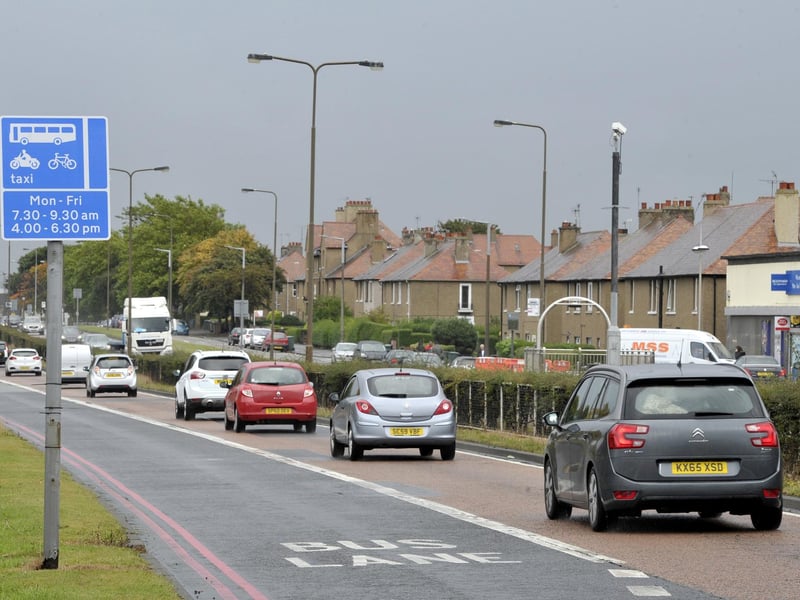
5. Bus lanes 7am-7pm
Council plans to extend bus lane operating times to 7am-7pm, seven days a week, failed to gain strong support. The online survey found just 40 per cent in favour, while market research put the figure at 56 per cent. Reasons for opposing the move included a claim it was not necessary all day and a fear it could increase congestion. There was more support for giving buses priority at junctions - 47 per cent in the online survey and 60 per cent in the market research - and additional bus lanes - 46 per cent from the survey and 58 per cent in market research. Photo: Ian Rutherford
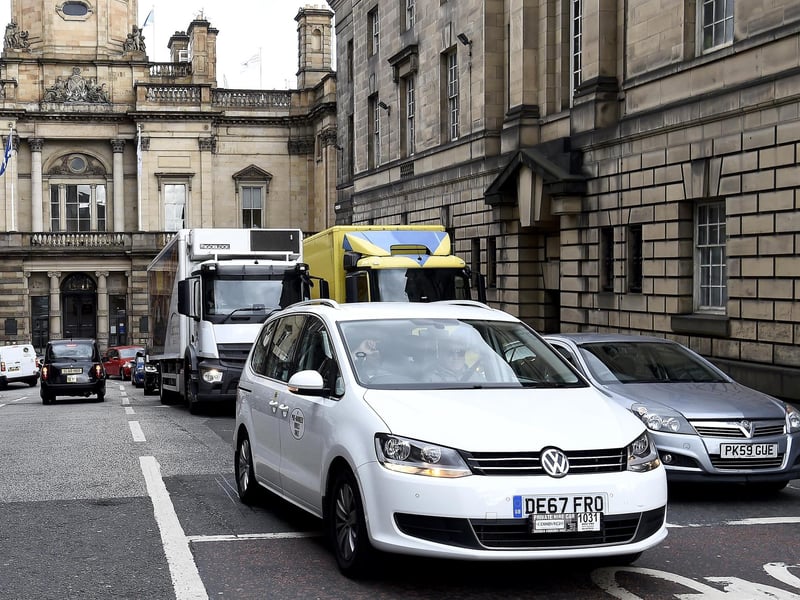
6. Restricting city centre traffic
The idea of investigating more restrictions to through traffic in the city centre secured 47 per cent support in the online survey and 64 per cent in the market research. People were invited to identify which streets in the city centre should be prioritised for reducing through traffic. George Street had the most nominations, followed by Lothian Road, Princes Street, High Street, North Bridge, South Bridge, Canongate, Cowgate, George IV Bridge and Grassmarket. Photo: Lisa Ferguson
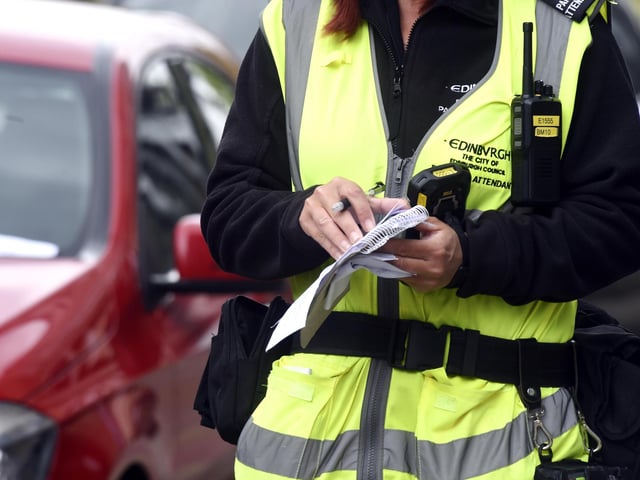
7. Less parking in city centre
A targeted reduction in kerbside parking in the city centre was supported by 48 per cent in the online survey and 60 per cent in the market research. Disabled people did not want a blanket ban on parking. People under 45 were significantly more in favour than older people. A separate question about reducing parking on main roads found 52 per cent support in the online survey and 63 per cent support in the market research. Photo: Lisa Ferguson
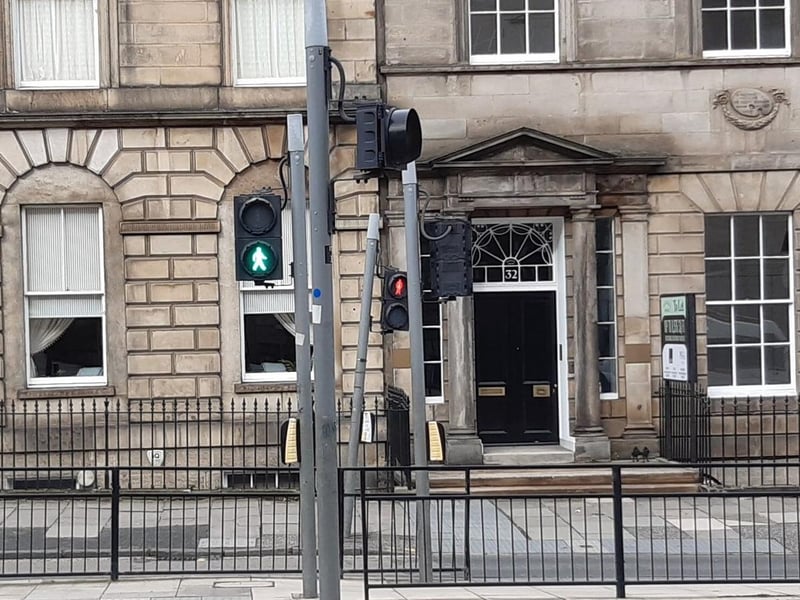
8. Replacing two-stage crossings
There were mixed views on the idea of replacing two-stage crossings. Overall, there was 46 per cent support in the online survey and 62 per cent in the market research. Older people were less supportive because it took them time to cross anyway and those with mobility issues welcomed a stop in the middle. But younger people and parents with young children were more in favour because it would allow them to cross the road more quickly. It was also suggested that replacing two-stage crossings could encourage people to walk more because they were not having to wait so much. Photo: Ian Swanson