
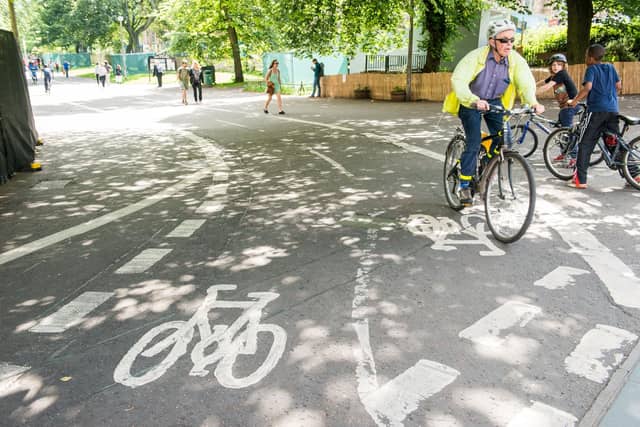

The Capital’s controversial transport policies have “broad support” from the Edinburgh public, according to city transport convener Scott Arthur.
And he backs his claim by pointing to the report of a 12-week consultation on a host of measures contained in five action plans drawn up by the council to deal with parking, public transport, active travel, air quality and road safety. The action plans are all part of Edinburgh’s aim of creating cleaner, greener, safer, more accessible and affordable travel choices that will help to meet the city’s targets of reducing car kilometres by 30 per cent and reaching net zero by 2030.
The consultation included an online survey which anyone could answer, market research using a representative sample of Edinburgh’s population and focus groups of particular sections of society, such as older people, parents with young children, younger people and disabled people. There were also workshops with “stakeholders” – transport operators, community councils, emergency services, active travel campaigners, disability groups and others – as well as public drop-in events. Altogether the council received a total of 3,826 representations.
Here’s what the consultation found.
9. School Streets
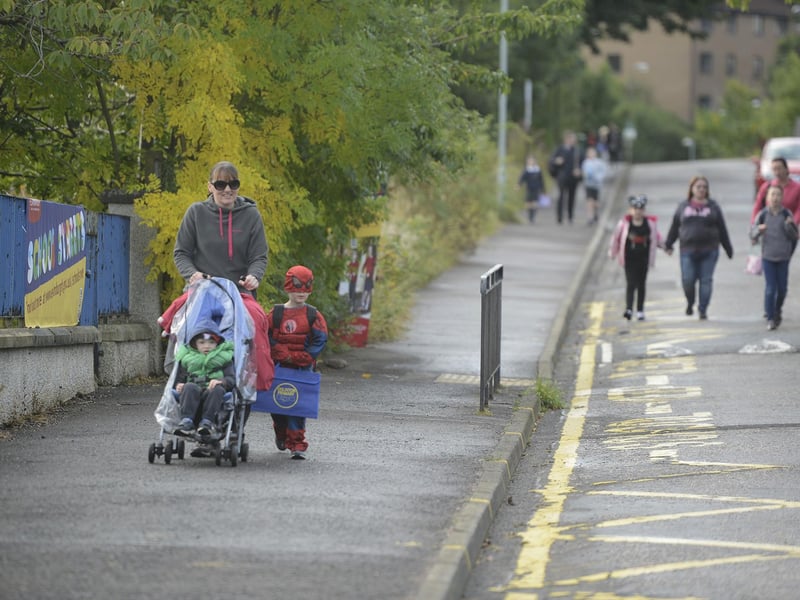
Eight out of ten people said it was important to expand the number of "school streets" - where most vehicles are banned from areas outside schools during specified times before and after school - and nearly half said it was extremely or very important. Some said there was a problem of lack of enforcement with the current school streets - or that even when police did enforce the rules, drivers would return once they left. Photo: Julie Bull
10. Shopping streets
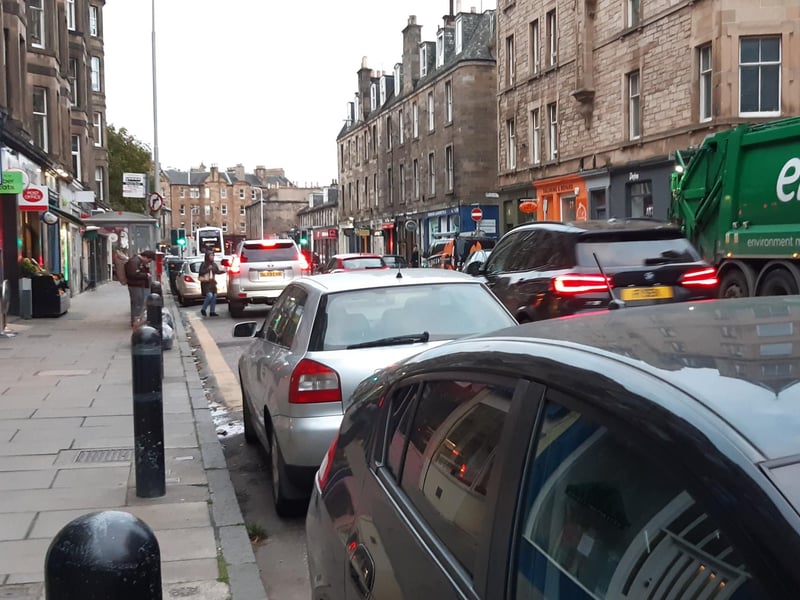
People were asked if they agreed or disagreed with reducing parking on shopping streets "to provide a vibrant environment for everyone while still providing essential access for deliveries and people with mobility difficulties". There was 52 per cent support in the online survey and 65 per cent in the market research. And it was a higher priority for those aged 55-64. But many people made the point that a reduction in parking provision had to be considered alongside improvements to the public transport network. And one respondent said: "Reducing on-street parking is difficult in the main high streets in Edinburgh - business rely on shoppers' ability to pop in and for disabled access to be easy." Photo: Ian Swanson
11. Low Traffic Neighbourhoods
In a section headed Delivering Liveable Neighbourhoods, people were asked if they agreed or disagreed with introducing restrictions to reduce the speed and volume of traffic in their area to help facilitate people’s choice to walk, wheel or cycle. In the online survey, 48 per cent of respondents were in favour and in the market research 62 per cent supported the idea. One person commented: "The worst thing is speeding traffic. I live in a residential area with terrible rat-running at speeds well in excess of 20 mph but there doesn’t appear to be any interest in monitoring/enforcing speed limits." Another said: "The LTNs being introduced are having the opposite effect to what they should. They are causing previously quiet streets to become polluted and congested." Photo: Contributed
12. Busy junctions
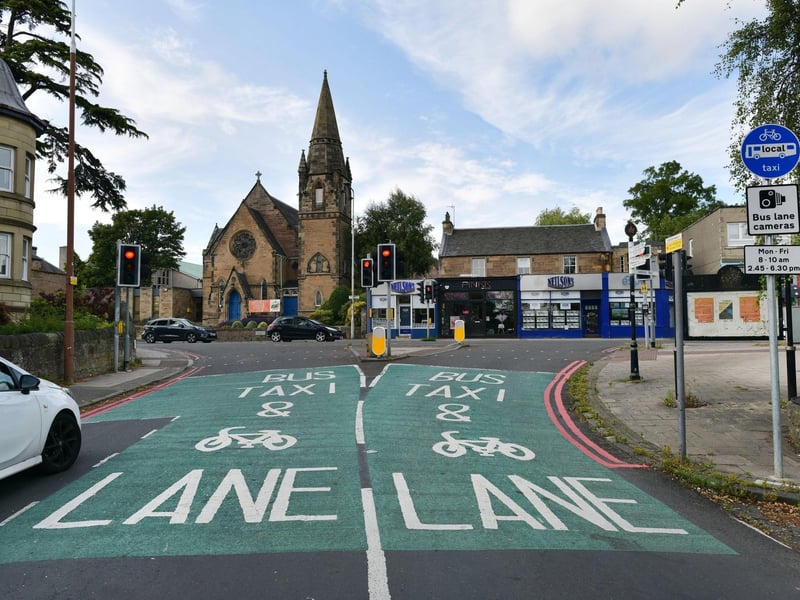
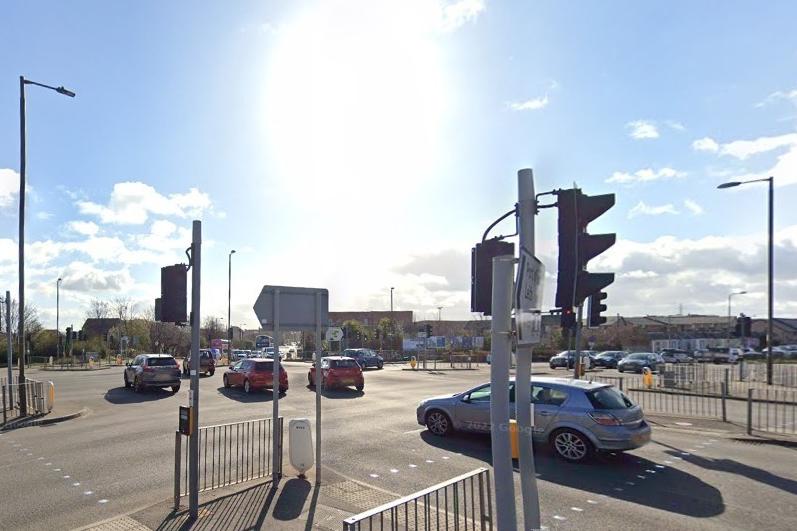
There was strong support for making junctions safer for people walking and wheeling - even if it had an impact on other modes of travel. The online survey found 52 per cent support, but market research showed 82 per cent in favour. Busy junctions were identified along with traffic speeds and narrow pavements as the three biggest barriers to people walking, wheeling and cycling. And redesigning major junctions was the highest priority to protect vulnerable road users. Photo: Google